
No snow is no problem at Skeetawk in Hatcher Pass
The nonprofit downhill ski area has high hopes despite challenging winter weather
What you need to know:
- Skeetawk, a nonprofit ski area near Palmer, is operating through an unusually low-snow winter thanks to new snowmaking equipment funded by $2.5 million in grants. The system allows the community-focused hill to stay open despite climate and weather challenges.
- The ski area has ambitious long-term expansion plans, including a proposed gondola and additional lifts. Reliable snowmaking is essential to protecting future investments and sustaining operations amid increasingly unpredictable winters, officials said.
- General Manager Megan Justus said Skeetawk’s mission centers on accessibility, youth engagement and community health, offering affordable skiing close to home while prioritizing programs that get kids and families outside and active.
- Short on time but need the local news scoop? Get free weekly news in your inbox for Mat-Su, from Mat-Su.
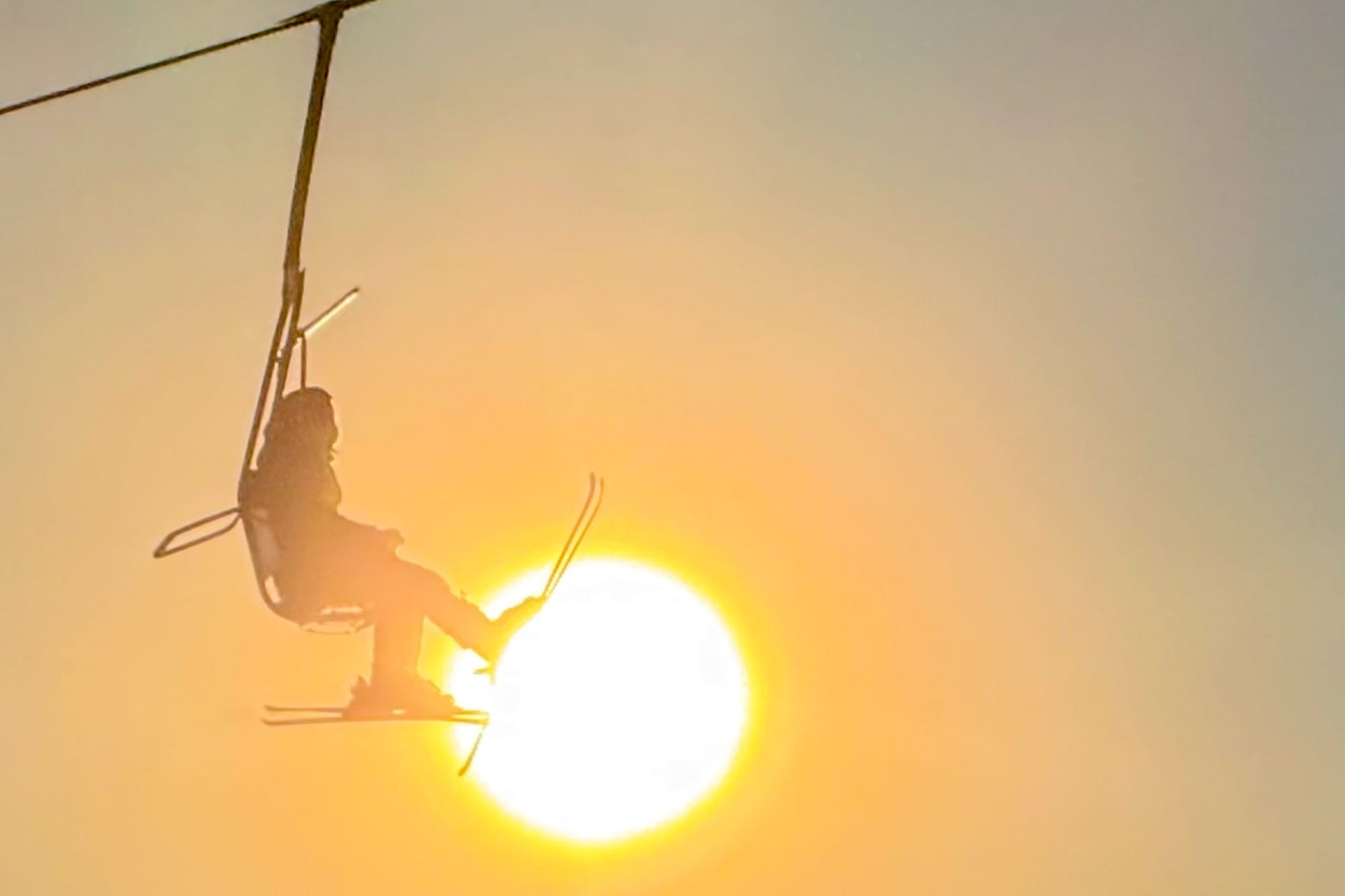
HATCHER PASS – The second-best view at Skeetawk in Hatcher Pass is from the top of the alpine ski area’s triple-seat chairlift, which carries riders to a vantage point 300 feet above Palmer Fishhook Road. It’s mountains for days up there, and when the sun paints the Talkeetnas a creamsicle orange, it’s hard to believe it’s real.
The best view is from a small desk in a cramped corner office at the base of the hill, where Skeetawk General Manager Megan Justus watches skiers and snowboarders smile as they slide down the slopes.
“Our entire mission is about keeping people healthy and active, especially during winter when that can be really hard,” Justus said during an interview at the ski area on a bluebird day this month. “Seeing kids outside, off their phones, building community and just moving their bodies — that’s what it’s all about.”
It’s the best part of a job that includes regular shredding sessions on the mountain for Justus, who grew up in rainy Kodiak but developed a passion for snowboarding during childhood trips to Alyeska with her family.
But while managing a small nonprofit ski area nestled at 1,450 feet above sea level in the mountains near Palmer might have its share of storybook sunshine, it’s also packed with year-round challenges. There’s fundraising, long-term planning, day-to-day operations, advertising, and, of course, the unexpected. Last season was stymied by low snowfall and interrupted for a month by a ski lift malfunction; this year’s biggest issue has come courtesy of Mother Nature, who apparently ran off with Old Man Winter.
“Our year-to-date snowfall is only 8 inches,” Justus said after a notably blustery and dry early winter across Southcentral Alaska that brought hurricane-force winds to the Mat-Su. “And most of that has blown away.”
The ski area was able to open in spite of the sparse snowfall thanks to the recent addition of snowmaking equipment. Purchased with $2.5 million in grants from the Rasmuson Foundation and the Mat-Su Health Foundation, the large yellow snow guns are working overtime to coat the runs with the white stuff and create a skiable surface.
“Without snowmaking infrastructure, we absolutely would not be operating right now.”
It’s not an ideal situation. Snow is free; water and power aren’t.
“Snowmaking helps, but it’s expensive,” said Justus, who has worked as general manager for about four years. “So we have to be strategic. Right now, we’re running the system hard to get everything open.”
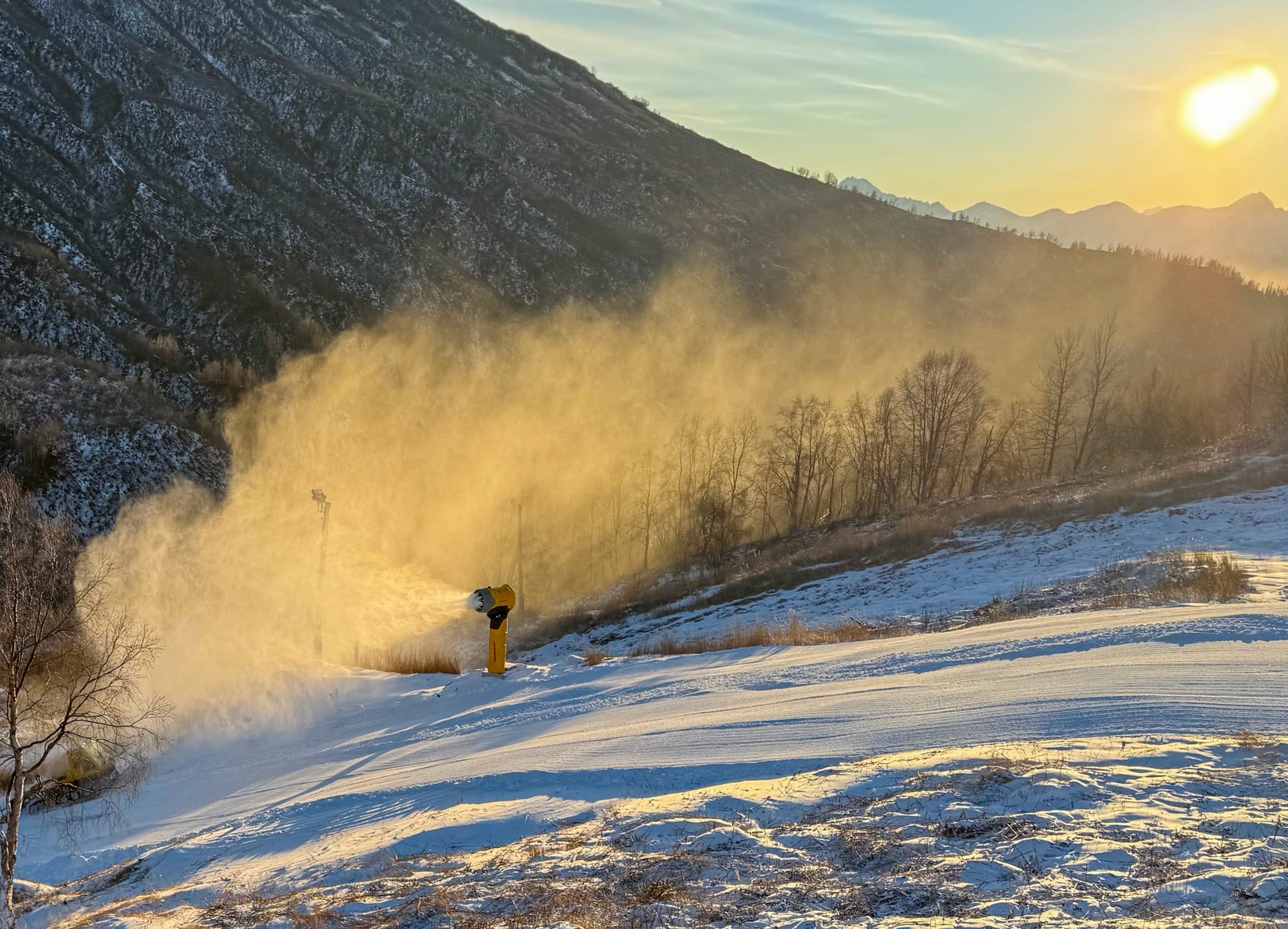
The snow guns and their frozen geysers are critical to keeping cash flowing through the ski area, which operates on a unique nonprofit model and relies on everything from lift ticket and ski rental revenue to grants, public-private partnerships, sponsorship deals, volunteers, and public funds — such as a recent Matanuska-Susitna Borough voter-approved road bond that paid for an improved access road.
“All of our operational costs — staff, power, food — are covered by ticket and pass revenue. All major development projects, like lifts and snowmaking, are funded through grants, allocations, and fundraising,” she said.
Justus said she’s ever mindful of the fact that Skeetawk is a true community-wide endeavor.
“We wouldn’t exist without our community — everything we do is for them,” Justus said.
The snowmaking project is critical to the success of future expansion.
“Without snowmaking to insulate us from bad snow years, we could end up with a very expensive project that we couldn’t open or generate revenue from, which would be really detrimental,” she said.
The ‘locals’ downhill ski area
Skeetawk is as “locals” a mountain as you’ll find and has been since its beginning in 2015, when Mat-Su residents formed the nonprofit Hatcher Alpine Xperience with a mission to bring an accessible and affordable alpine ski area to their community.
Development has moved in phases. The ski lift opened in 2020 and gives skiers access to roughly 30 acres of terrain. But that’s just the beginning.
Justus said the next phase of development is a planned mile-long detachable gondola that would bring riders to a saddle between the two peaks that loom over Skeetawk. The gondola — which carries an estimated price tag of between $14 million and $18 million and is as yet unfunded — would open up 500 acres of advanced and intermediate terrain. The nonprofit is currently working to raise the $3 million to $5 million that would likely be needed to secure financing for the project, she said.
Not only could a second lift drastically increase the amount of available acreage in winter, it would also provide summertime visitors with a new way to access the backcountry and boost income during the ski area’s “off” season.
“If just 20 percent of the cars passing through Hatcher Pass stopped to ride the gondola, it would cover our entire annual debt service,” she said.
Even longer-term development plans would add a third lift to access nearby Peak 4068, at which point Skeetawk would be the largest ski area in Alaska.
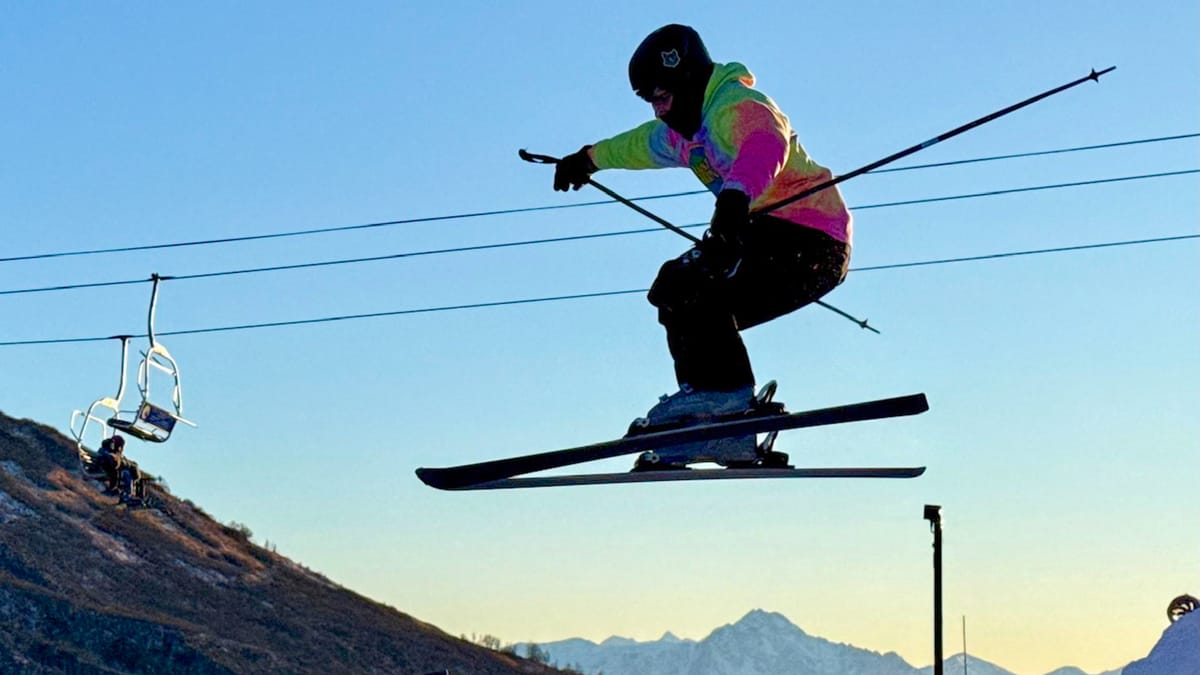
But those projects exist in the future, a place whose most prominent feature is its unknowability. In the present tense, Skeetawk’s offerings include multiple runs for all ability levels, a terrain park with jumps and rails, and a magic carpet and bunny slope for beginners. Lights were added in 2022.
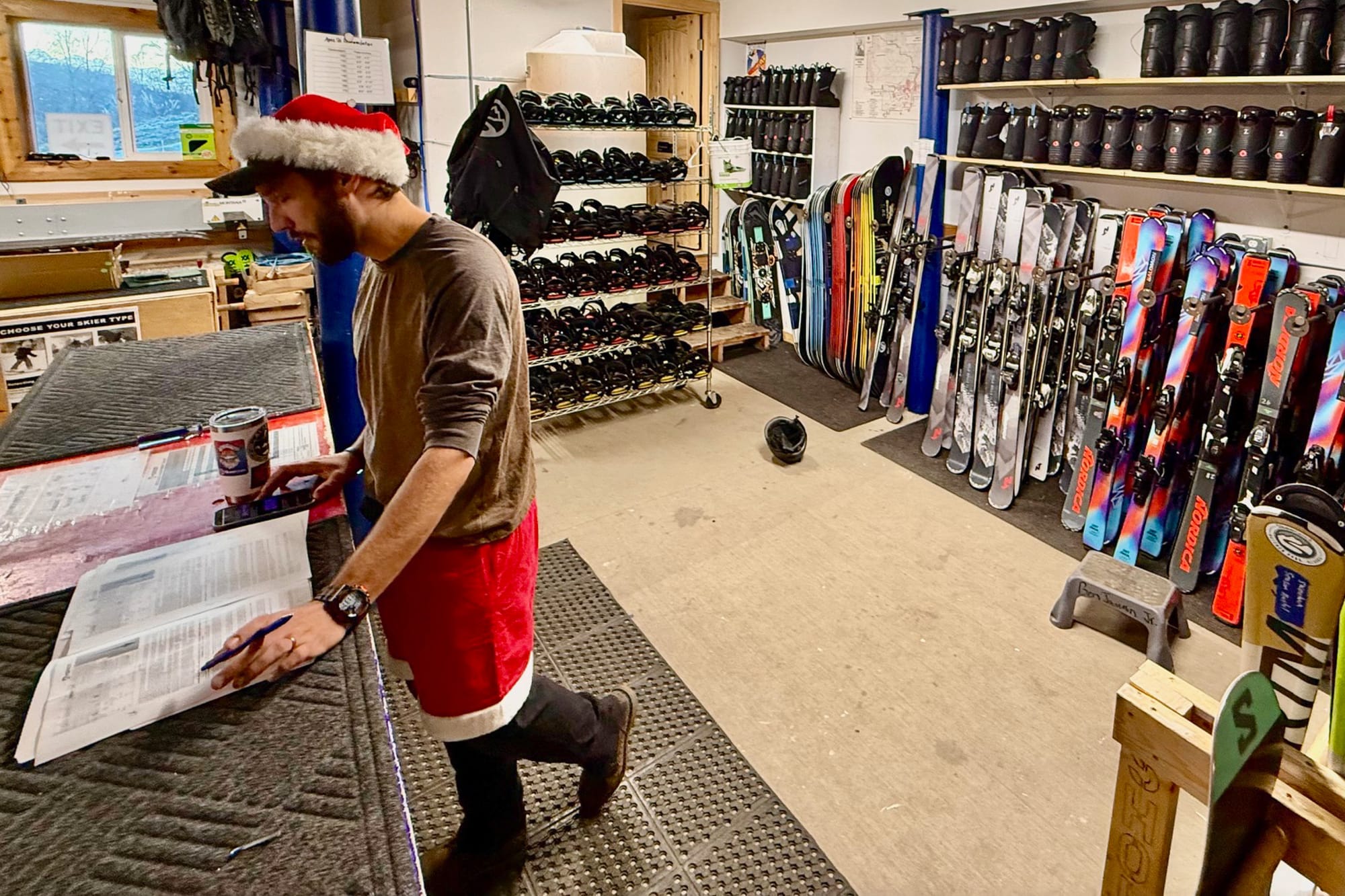
The property, which is leased from the Mat-Su Borough, also includes a cozy yurt where skiers can warm up with a hot or cold beverage, including alcoholic options; indoor bathrooms; and a small ski rental shop where visitors can purchase lift tickets, rentals, season passes, and lessons.
‘A great hill to learn on’
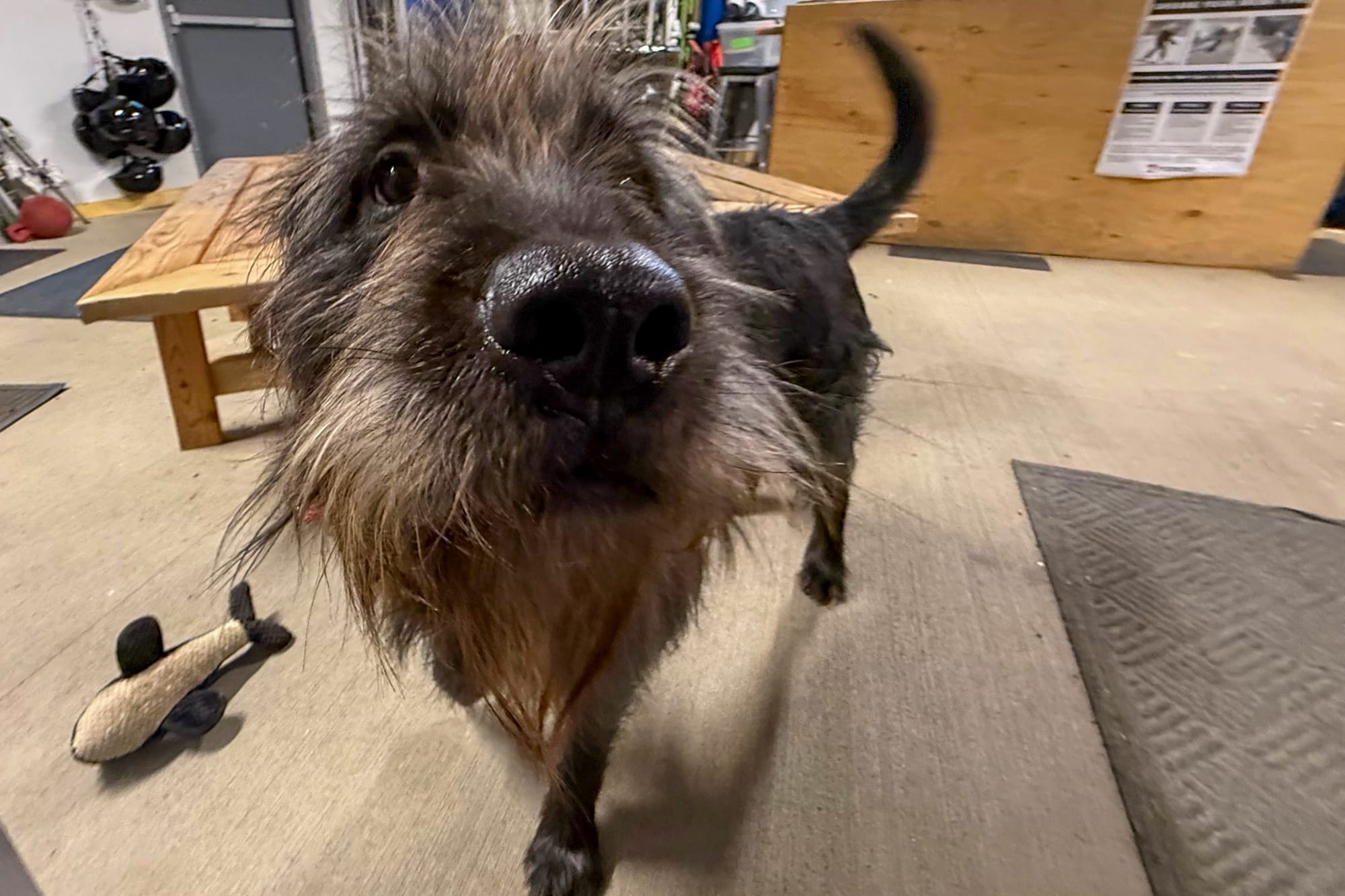
The ski shop is also the place to get into a chew-toy tug-of-war match with Tinsel, the Labrador retriever and wirehaired pointer mix who serves as honorary mascot and greets every visitor to her second home with an invitation to play.
The amiable Tinsel belongs to ski shop manager Colton Percy, who said Skeetawk’s laid-back atmosphere and family-friendly vibe make it an ideal place for people just getting into the sport.
“This is a great hill to learn on,” he said.
While youngsters make up a large portion of Skeetawk’s core users — Justus said weekend traffic often “looks a lot like a school pickup line” — Percy noted the slopes above the base area have enough challenging features to keep more experienced skiers and snowboarders entertained.
“We have terrain for everybody, no matter who you are or what skill level you are,” he said.
Plus, Skeetawk’s location just 25 minutes from downtown Palmer makes it more attractive than driving to ski areas in Anchorage or Girdwood.
“We’re right here,” he said.
It’s also relatively inexpensive by ski resort standards. An adult season pass is $499 and includes three free days of skiing at each of Alaska’s five other nonprofit ski areas: Arctic Valley and Hilltop in Anchorage; Mount Eyak in Cordova; Eaglecrest in Juneau; and Skiland in Fairbanks, as well as eight nonprofit ski areas in the Lower 48. Day passes range from $15 for seniors to $44 for an adult weekend pass, while youth passes are $25.
Proximity and affordability are big reasons Palmer dad Darrell Blocker supports Skeetawk. Blocker stopped by the ski shop with his wife and their three kids Saturday to purchase season passes and said he’ll likely return at least half a dozen times by winter’s end.
“It’s very family friendly,” he said. “It’s actually our favorite place around.”
Blocker said the short lift lines and friendly staff make the ski area feel like home.
“It’s nice to have something right in your backyard,” he said.
Justus said a huge part of Skeetawk’s reason for being is to help the next generation of skiers find their legs on the slopes.
“We want kids to become good skiers who understand safety, responsibility, and how to ski anywhere,” she said.
While operating a small nonprofit ski area in the era of climate change will always have its uphill moments, Justus said getting to watch a new generation of riders fall in love with the snow is what makes the view from her office so cool.
“The whole point of what we do is to get people outside, moving and healthy — especially kids.”
Matt Tunseth is a freelance writer from Southcentral Alaska. Write to him at matthew.tunseth@gmail.com