
Mat-Su animal control takover may boost taxes in Wasilla, Palmer and Houston
The plan would simplify animal control in the region, but could trigger higher property taxes for city residents.
What you need to know:
- The Mat-Su Borough and the city councils of Wasilla, Palmer, and Houston are considering a plan to standardize animal control rules across the region by transferring all related duties to the borough.
- If approved, the plan could increase property taxes for residents within the three cities by about $23.60 per $100,000 of assessed value while slightly reducing taxes for non-city residents.
- The proposal addresses years of logistical and financial challenges tied to fragmented animal control services and contracts between the cities and the borough that do not cover the full cost of services.
- Short on time but need the local news scoop? Get free weekly news in your inbox for Mat-Su, from Mat-Su.
WASILLA — A Matanuska-Susitna Borough plan to take over animal control services across the region could ease enforcement challenges and standardize leash, kennel, and other animal regulations — but may also raise property taxes for residents in Wasilla, Palmer, and Houston.
If approved, the proposal could increase property taxes for the roughly 18,000 residents of Palmer, Houston, and Wasilla by about $23.60 per $100,000 of assessed value, since they do not currently pay the borough directly for animal services, according to a borough fact sheet.
Noncity residents, who now fund the program through a non-areawide property tax, would see a decrease of about $4.80 per $100,000, as the total cost of services would be spread across a larger population, the fact sheet states.
The proposal’s final cost to taxpayers will depend on the borough’s total budget and upcoming property tax assessments, borough officials said last week.
The proposal was initially requested earlier this year by then-Houston Mayor Carter Cole, borough officials said during an August public safety meeting. It has since received broad support from the trio of city councils and administrators who see it as a way to pass off a complicated and expensive enforcement task to the borough while improving services for their residents, who would be newly able to receive direct borough animal control and safety support.
“I can’t think of any reason to object to this,” Wasilla Council member Stuart Graham said during a regular city council meeting last week. “The borough is the one that has the continuous experience dealing with animals.”
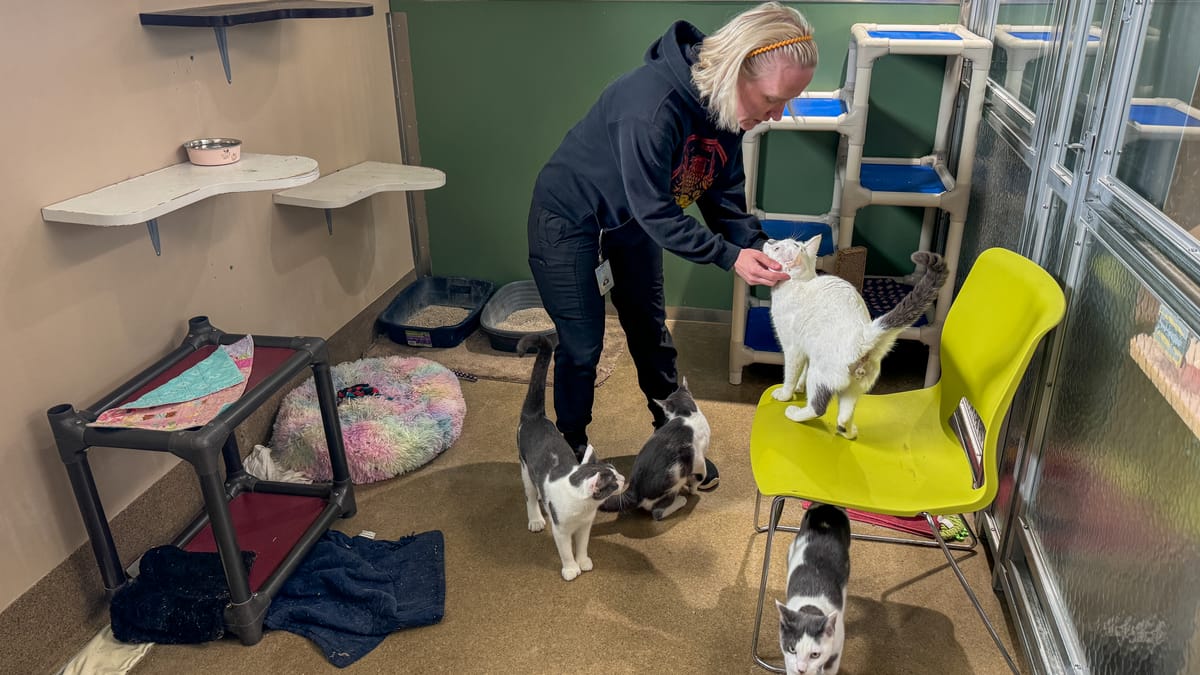
City residents currently receive limited animal control services from the borough through separate contracts with each individual city. Service requests must be made through the cities’ public safety departments — a step that can significantly slow response times. Animals picked up within city limits are housed in the borough's animal shelter. The cities fund the contracts with local revenue, which largely comes from sales tax.
The borough takeover plan is intended to speed up response times while also simplifying most animal control rules across the region. It would place all areas under a single set of borough-approved animal ordinances and give all residents full access to related support services, officials said. And because the current city contracts with the borough only cover a fraction of what it costs the borough to provide the service, it would also level the playing field for all taxpayers by passing the cost of animal control to all property owners, officials said.
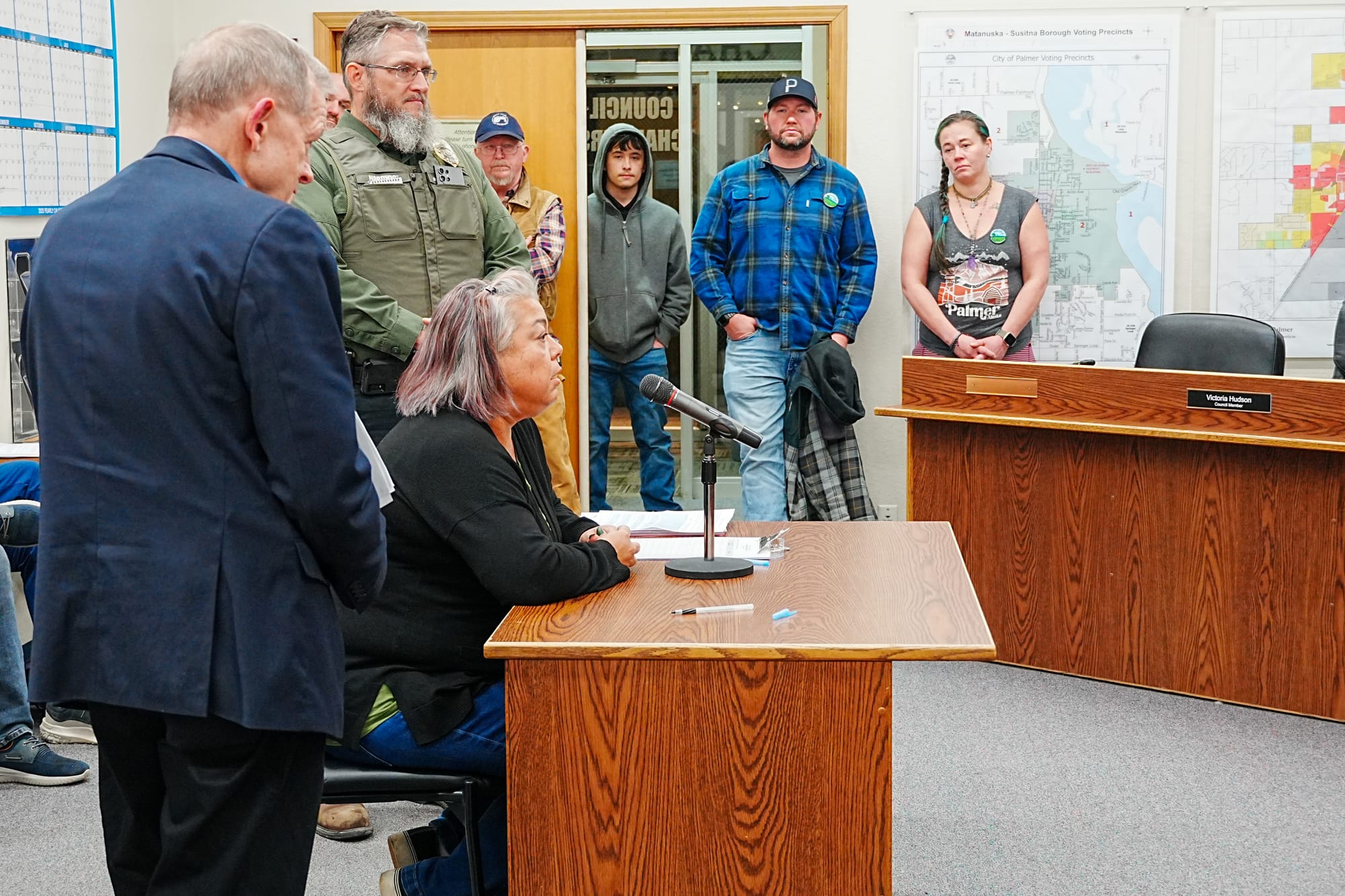
“This has been a dream of mine to go area-wide because there’s nothing more frustrating to me than to say, ‘I can’t help you,’” said Matthew Hardwig, the borough’s chief animal control officer, during a presentation to the Palmer City Council last month.
The plan would also replace each city’s unique animal control rules with those overseen by the borough assembly. City officials could request exceptions — such as licensing requirements within city borders — by asking the assembly for updates. The changes would affect only animal control laws, such as leash regulations, and not rules about what animals are permitted within city limits, officials said.
Each city is preparing resolutions in support of the plan, which the councils are expected to approve this month. The Mat-Su Assembly is also expected to consider and vote on a version of the measure ahead of its annual budget discussions early next spring.
The cost and complications of animal control
Right now, how Mat-Su residents pay for animal services and what rules they must follow vary by location.
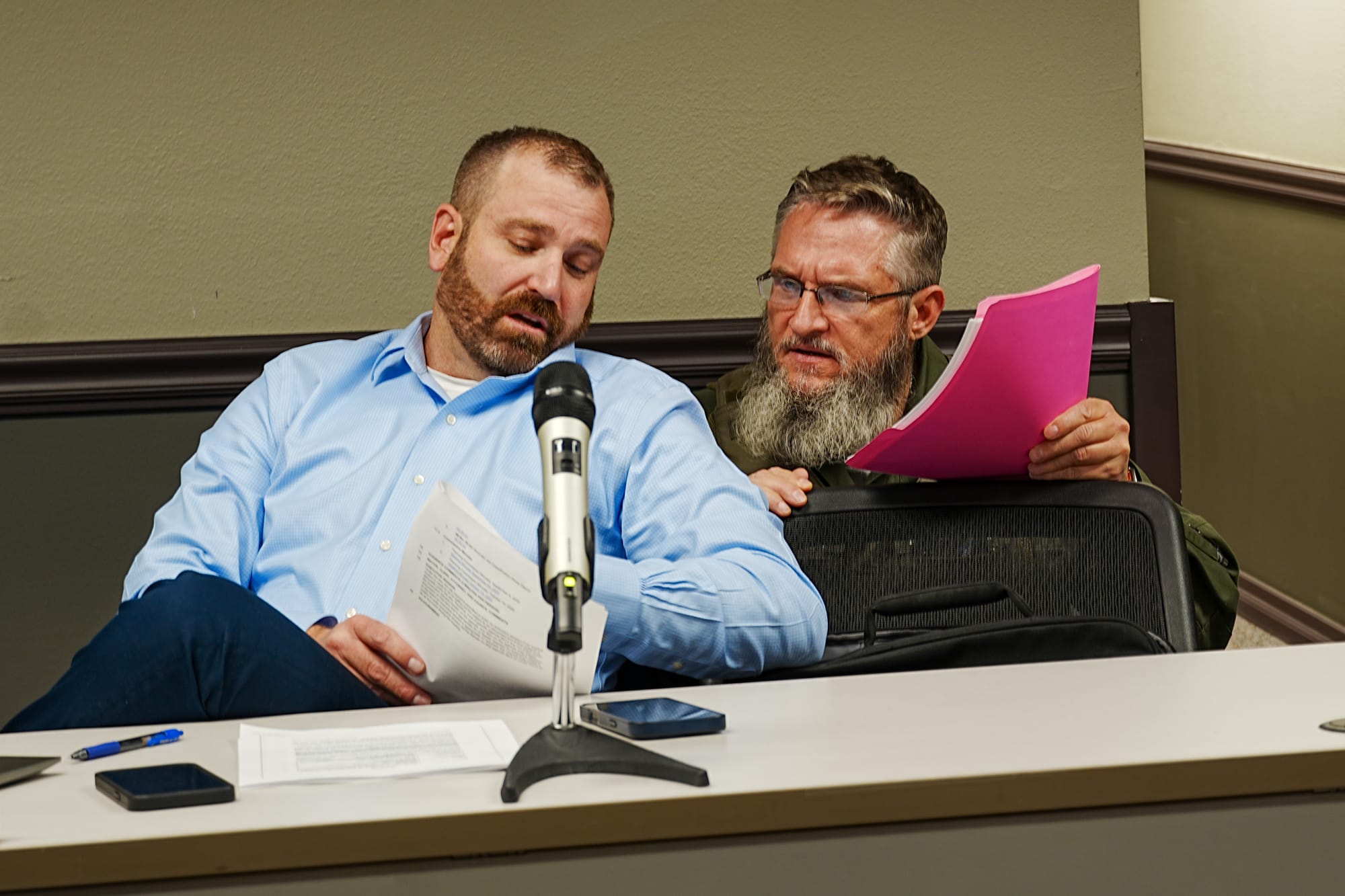
City contracts currently cost in the thousands annually — about $15,000 for Houston and $36,000 each for Palmer and Wasilla — but those fees don’t cover the borough’s actual costs, Borough Manager Mike Brown said during the August public safety meeting. Officials said the proposed update would address that shortfall.
“The contracts don’t cover the cost for the services that we’re providing,” Brown said. “We’ve been walking the contracts up incrementally over each year … but when they get a tough case where an animal has to stay in the shelter for a prolonged period of time, it gets expensive quick.”
The arrangement also creates complications for borough animal control officers, who must follow different rules depending on where an animal is picked up and are limited in what they can enforce, officials said.
“I’ve seen a lot of conflict — not with the city or with enforcement, but between citizens and between the cities and the borough,” Hardwig told the Wasilla City Council last week. “The problem … is when something crosses boundaries and I can't enforce our laws in your city, and your city can't enforce them in our borough. To give an example: A dog from Wasilla crosses into the borough, bites a child and then goes back. We cannot enforce those ordinances across our boundaries.”
Placing everyone under the same animal laws would solve that problem, he said.
“This is to have one ordinance, a one-stop shop — one place for all borough residents to go, because we're all living here,” he said.
Expanding full services to the cities and newly shouldering all enforcement animal duties is expected to add about $300,000 annually to the borough’s $3.3 million animal care budget. Officials said the borough would need to hire a sixth animal care officer to manage the added work and purchase more equipment; shelter staff would not need to increase.
The borough currently handles more than 2,000 non-city animal cases per year, according to the August fact sheet. Adding enforcement in Palmer, Wasilla, and Houston is expected to increase that number by about 850 cases annually, it states.
A history of challenges
The new proposal is the latest development in a long history of debates over animal control costs in the region and marks the first time all three cities have simultaneously sought to shift the responsibility to the borough.
While Palmer has contracted with the borough for animal control services for decades, how to handle the complex and costly task has been a long-standing struggle in Wasilla and Houston.
In 2003, Wasilla terminated its animal care contract with the borough due to rising costs. The job was instead given to Houston, which at the time provided animal services within its city limits. But when costs for that contract were projected to balloon from $60,000 to more than $100,000 in April 2009, the Wasilla council again turned to the borough.
In Houston, the loss of the Wasilla contract triggered budget challenges that culminated scandal in early 2010 when city officials chose to reduce costs by shooting four dogs and four cats that had been in the city’s shelter for three months.
Houston eventually restructured its animal control system, providing limited services through its fire department. In recent years, the city shifted to a borough contract because its system could no longer meet state statutory requirements, such as effective animal quarantine, city officials said. The specific year that Houston moved to the borough contract was not immediately available.
-- Contact Amy Bushatz at contact@matsusentinel.com