
Mat-Su expands reduced-requirement Choice diploma to two more schools
This diploma will be available beginning with the class of 2026.
What you need to know:
- An alternative Mat-Su district diploma with reduced academic requirements will now be available to homeschool correspondence students at Knik Charter and Twindly Bridge Charter schools. Previously, the option was only offered at Mat-Su Central School.
- The diploma was first approved in May and will be available beginning with the class of 2026. It maintains the district’s 25.5-credit graduation requirement but waives certain specialty course requirements. Eligibility is limited to students enrolled in correspondence programs.
- The diploma is intended to lower graduation barriers for homeschool families. District officials hope the reduced requirements will help retain students who might otherwise leave Mat-Su for districts with lower credit standards. State funding for school districts is based on student enrollment.
- Short on time but need the local news scoop? Get free weekly news in your inbox for Mat-Su, from Mat-Su.
PALMER — Students at two more district schools can now graduate under a diploma with reduced academic requirements, following a measure approved by the Mat-Su school board this month.
The Educational Choice Diploma is newly available to homeschool correspondence students enrolled at Knik Charter School and Twindly Bridge Charter School, according to the update. Previously, the option was only offered to students at Mat-Su Central School.
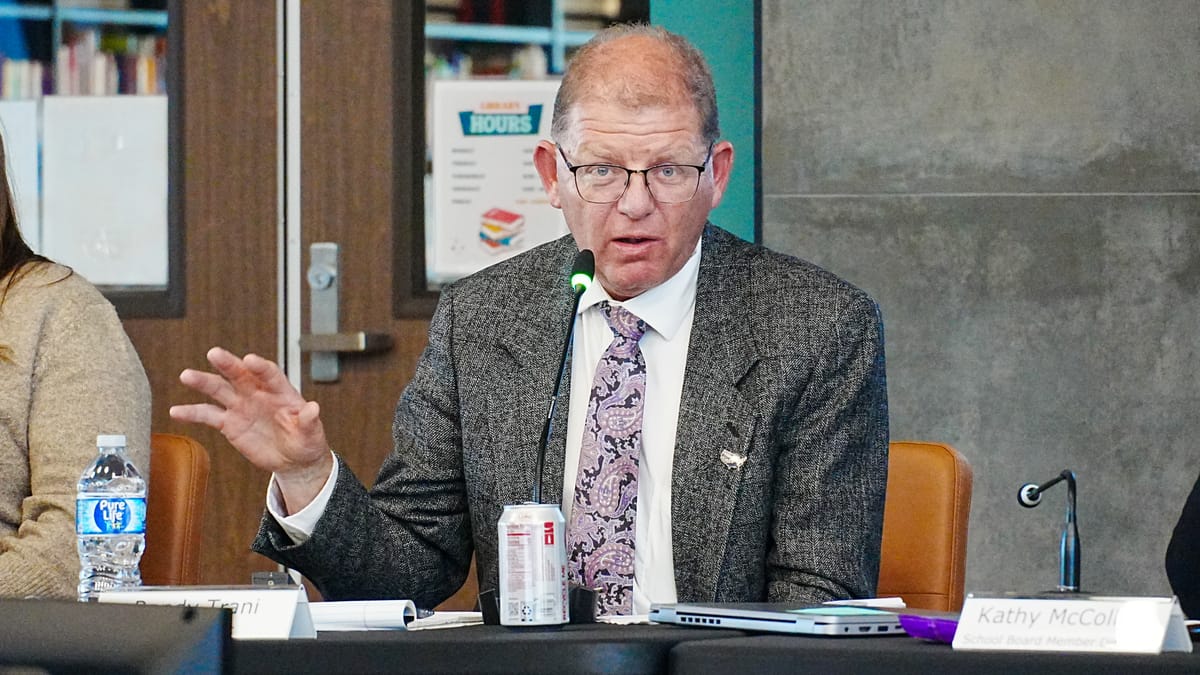
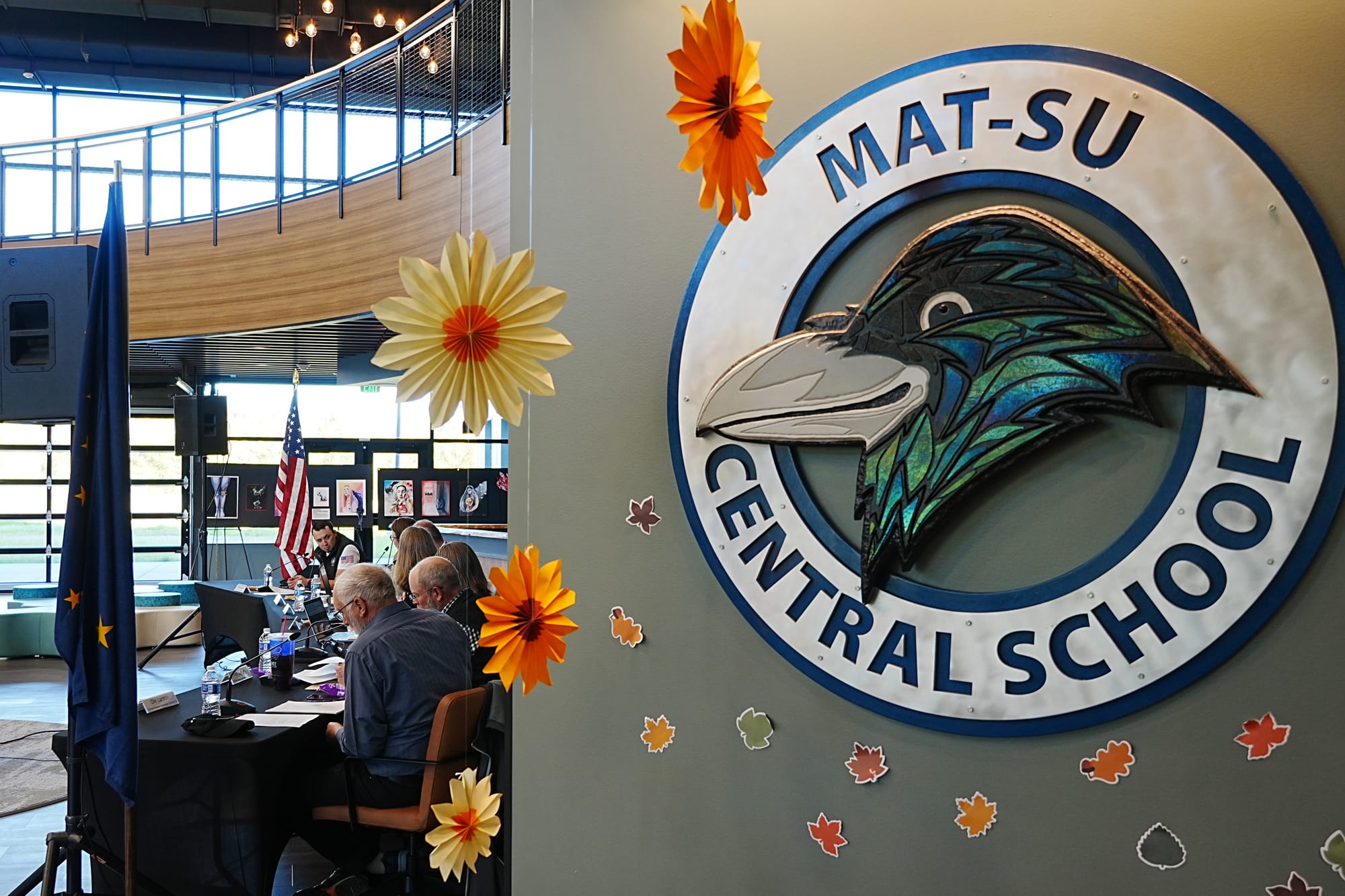
The Matanuska-Susitna school board approved the change unanimously during a regular meeting Wednesday at Mat-Su Central school in Palmer. The diploma, initially approved in May, will be available beginning with the class of 2026.
Officials are unlikely to expand the option to more schools because the policy limits eligibility to “students enrolled as correspondence students,” Assistant Superintendent Katie Gardner said in an interview. Twindly Bridge, Knik Charter and Mat-Su Central are the only district schools that offer such programs.
The Choice diploma maintains the district’s 25.5-credit graduation requirement but removes several specialty class requirements, including Advanced Placement courses and specific topics of study within core subjects.
The diploma is designed to help keep students enrolled in the district by lowering barriers for homeschool families, who may have difficulty accessing or choose not to take specialized courses, officials said earlier this year.
Mat-Su has the highest high school credit requirement in the state.
To qualify for the diploma’s reduced requirements, seniors must be enrolled at one of the participating schools.
Mat-Su students can transfer to a correspondence program at any time, according to district officials. However, students who choose to graduate from their new school will not be allowed to participate in graduation ceremonies at their previous high school, District Superintendent Randy Trani said in an interview in May.
Several Mat-Su Central students have expressed interest in the alternate diploma path, Principal Jason Moore said Wednesday. Specific numbers were not immediately available. Moore oversees the school’s in-person hybrid program.
School districts in Alaska receive state funding based on enrollment through a formula called the Base Student Allocation, or BSA. Funding amounts vary depending on whether students attend a correspondence, traditional or alternative school. Budgets are based on projected enrollment for the coming school year.
In 2024-25, about 3,000 Mat-Su students were enrolled in correspondence programs run by other districts with lower graduation requirements, according to state data. If those students had enrolled locally, they would have generated more than $20 million in state funding for the district, Trani said earlier this year.
Mat-Su’s $272 million budget for 2025-26 includes a cut of more than $14 million compared to the previous year. That budget shortfall was caused by a variety of factors, including lower enrollment, stagnant state funding, the loss of federal COVID-related funding and rising costs.
Enrollment this year is about 282 students below the district’s 2025-26 projection of 19,164, with 142 of those missing from high schools, according to preliminary data presented Wednesday.
Depending on where they enroll, those students represent between $2 million and $3.4 million in state funding.
Final enrollment data is expected next month.
Some students may have left the Mat-Su district system to attend a new private school in the area, Trani said.
That school is hosted at King's Chapel in Wasilla. Private schools do not receive direct state funding.
-- Contact Amy Bushatz at contact@matsusentinel.com