
Mat-Su gas tax vote delayed to give more time for public input
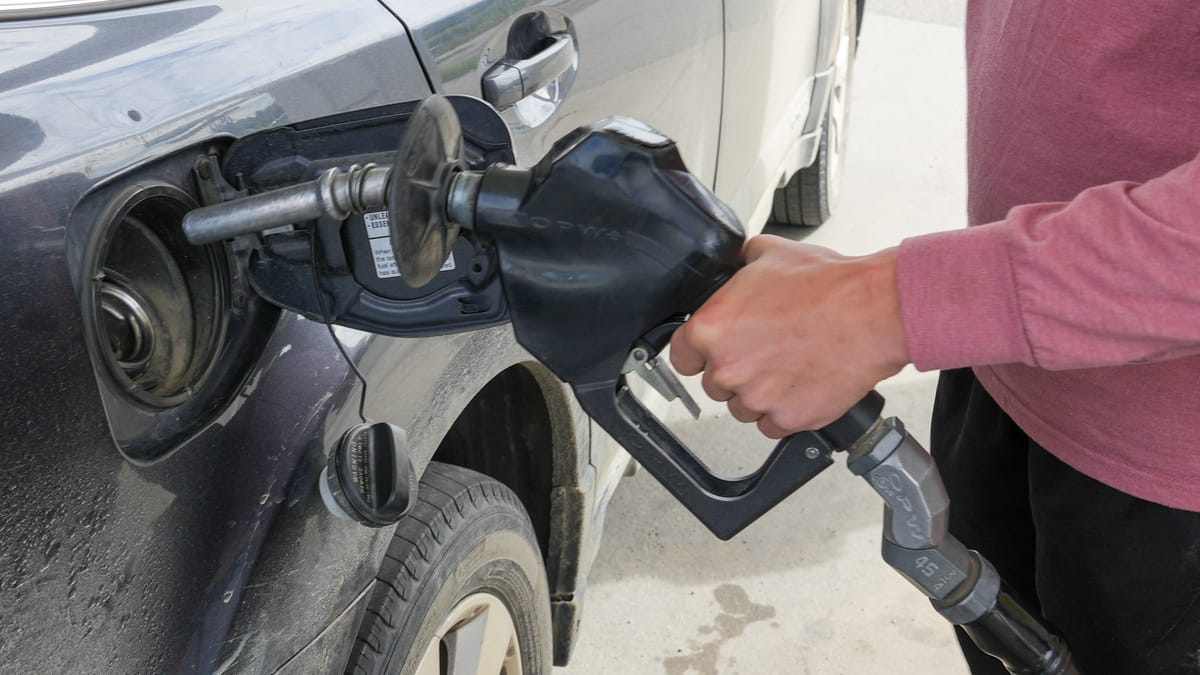
The measure adds a 7-cent-per-gallon tax to all gasoline and diesel sold at pumps throughout the borough.
What you need to know:
- The Matanuska-Susitna Borough Assembly delayed a vote on a proposed 7-cent-per-gallon fuel tax until Aug. 5 to allow for more public input and further review. The tax is projected to raise up to $5 million annually to help fund road and school bond debt, reducing reliance on property taxes. It could cost Mat-Su residents an estimated $30 per year.
- Tax revenue would be used primarily for voter-approved road projects and road service area costs. The proposal was updated Tuesday to include a sunset date in 2027 and exemptions for some non-roadway diesel users. Aviation fuel, marine fuel and home heating fuel would also be exempt.
- The proposal has faced public backlash, with residents raising concerns about high taxes and a lack of transparency. The postponement is intended to allow more time for public input and potential Assembly amendments.
PALMER — The Mat-Su Assembly delayed a decision Tuesday on whether to approve a new gas tax, citing a need to better understand the proposal and allow more time for public comment.
The Matanuska-Susitna Borough Assembly will next consider the measure at a meeting scheduled for Aug. 5.
The proposal, which was first introduced June 3, would add a 7-cent-per-gallon tax on all gasoline and diesel sold at pumps throughout the borough and could generate up to $5 million annually, according to borough documents.
The tax is meant to help fund borough payments on voter-approved bond debt for road and school construction, making up for a loss in related state support and reducing the borough’s reliance on property taxes for most of its funding, borough Manager Mike Brown said during the meeting Tuesday.
It could also eventually help the borough pay for new, voter-approved road projects without taking on additional debt, he said.
“I assume we’re probably going to want to build some roads in the future, not just what we have on the books currently. That could be as high as a third of our annual area-wide mill rate,” he said. “To me, that sounds critical.”
The borough oversees about 1,100 miles of roads across a region the size of West Virginia.
The proposed tax would expire on June 30, 2027, and would continue only if the Assembly approved it again, according to an update made to the measure during its initial consideration Tuesday.
That change was proposed by Assembly member Max Sumner and approved 5-2, with Assembly members Dee McKee and Ron Bernier voting no.
The new gas tax would not apply to aviation fuel, marine fuel, or home heating fuel, according to the original proposal.
An update approved Tuesday adds an exemption for diesel sold to businesses with their own storage tanks that use it exclusively for nonroadway vehicles such as heavy equipment.
That change was proposed by Sumner and approved 4-3, with assembly members McKee, Stephanie Nowers, and Tim Hale voting no.
As proposed, the fuel tax would cost the average Alaskan driver an additional $28.81 per year at the pump, based on the average number of miles traveled by residents annually and the current average U.S. vehicle fuel economy of 27 miles per gallon, according to Federal Highway Administration and Environmental Protection Agency data.
Raising that same amount of income through the property tax mill rate would cost the average borough taxpayer about $130 per year, assembly members estimated when the proposal was initially introduced last month.
Voter approval is not required for the measure because it is proposed as an excise tax charged to distributors, not a sales tax collected from customers at the pump. While borough law requires voter approval for sales taxes, it does not for excise taxes, officials said.
About 20 residents spoke against the tax during public comment Tuesday, which periodically became rowdy with audience clapping and some comments made out of turn.
Many of those who spoke against the measure said borough taxes are already too high, while others said the assembly was trying to pass a complex measure without giving citizens enough time to review it.
“I think if you pass this, you should be embarrassed. This is theft and this is coercion,” borough resident Ken Griffin said during public comment and questioned how portions of the measure could be policed. “Bottom line is, in my opinion, this is fraud … It wasn’t even looked at, I don’t think, before it was put together and put out to the citizens.”
The few residents who testified in favor of the measure did so with caveats and suggested updates, such as reducing the rate from 7 cents to 3 or 5 cents.
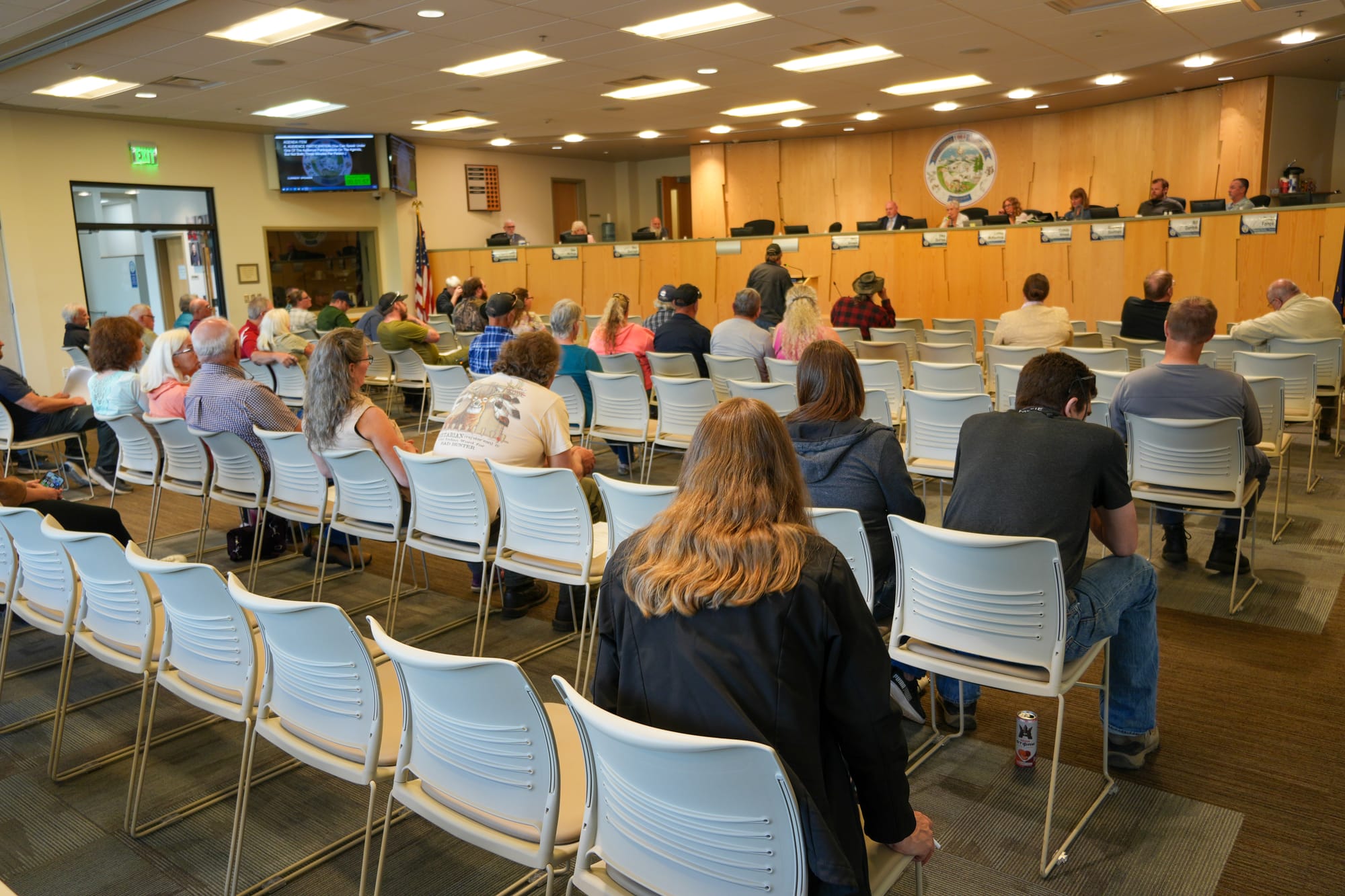
Most Assembly members spoke in support of the measure Tuesday or offered amendments in response to community feedback. Only Bernier, whose district includes Talkeetna, specifically said he would vote against the proposal.
“I can vote it down today; I can vote it down on the 5th,” he said during the meeting.
Nowers proposed postponing the measure until August to give residents more time to review it and the Assembly more time to consider it and address concerns raised by members of the public. She also asked officials to post information about it on the borough website, including a calculator that could help residents understand how much it is likely to cost them per year.
“Even though a lot of effort has gone into getting the word out about this, we’re now changing it, and people are just learning about it,” she said.
The assembly unanimously approved the postponement.
Additional amendments from assembly members are expected before the measure heads to a final vote next month, including a proposal that would exempt fuel purchased for borough-owned vehicles, but not those used by state or federal employees. The tax proposal, as currently written, exempts all government-owned vehicles.
The Assembly will also consider a separate resolution next month directing Brown to spend the fuel tax income only on roads, with 70% funding voter-approved road projects and 30% covering some costs in the borough’s road service areas.
Brown said the new gas tax is one potential solution to the challenge of paying off debt while continuing to fund road improvements.
“This was intended to bring this forward and have a conversation about it. I feel like my obligation as an administrator is to bring that forward,” he said during the meeting. “This puts it on the radar so we can talk about it and figure out what we have an appetite for, what solutions we might want.”
Officials suggested no alternative revenue proposals during the meeting.
-- Contact Amy Bushatz at contact@matsusentinel.com