
Archangel Road beavers, ponds removed to prevent flooding
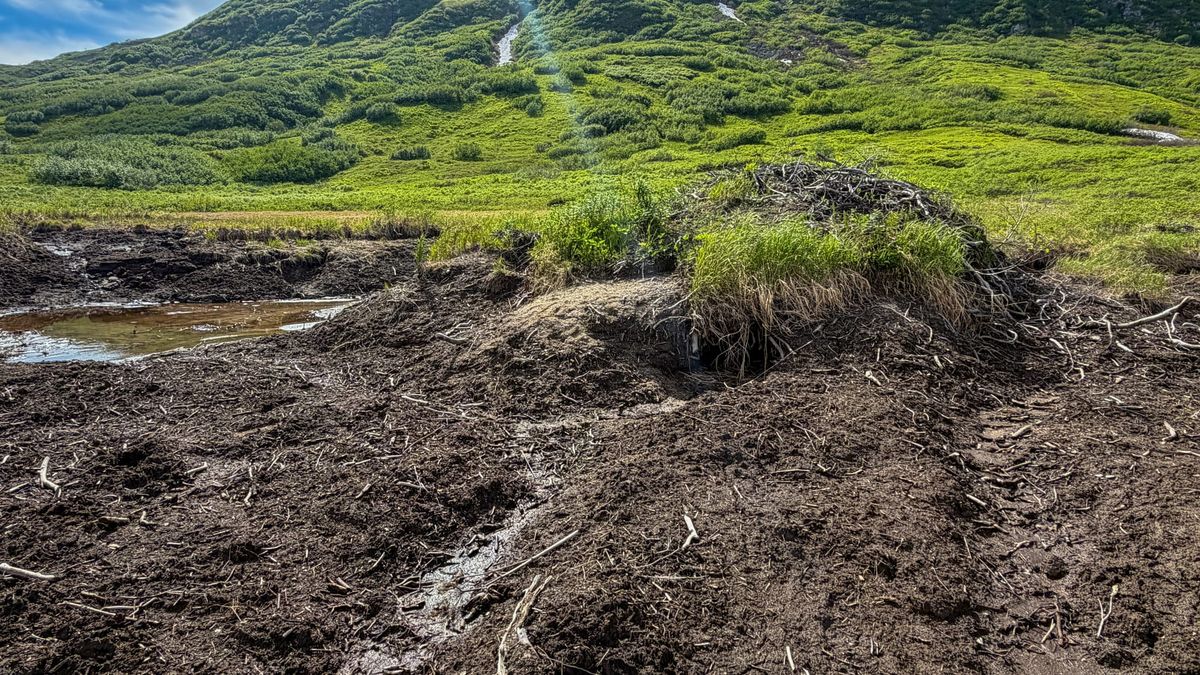
Three beavers were killed and two ponds removed from about mile two of Archangel Road.
What you need to know:
- State crews removed two beaver ponds along Archangel Road in Hatcher Pass and killed the resident beavers last fall to prevent recurring flooding and damage to road culverts, officials said.
- The stretch of road was home to beaver activity for at least 40 years and were a popular wildlife-viewing destination. Residents said they were disappointed by the loss, while officials said the work was permitted and no additional removals are planned.
- Beaver-related flooding has affected Archangel Road for decades, with similar removals documented in 2000. Beavers remain common elsewhere in Hatcher Pass, and trapping is allowed under state regulations.
- Short on time but need the local news scoop? Get free weekly news in your inbox for Mat-Su, from Mat-Su.
HATCHER PASS – A pair of long-standing beaver ponds along Archangel Road in Hatcher Pass were destroyed and three beavers were killed late last year as part of a project to protect the road from flooding caused by the animals, state officials said.
The ponds were located at about mile two on Archangel Road. State Department of Transportation crews trapped the beavers and removed the ponds late last fall, officials said.
The land near the road has been home to continuous beaver activity for at least 40 years, according to state fish and game officials and residents who regularly visit the area. The ponds were popular with tourists and locals hoping to view beaver habitat because they were accessible by vehicle.
"Crews removed beavers from the area after repeated beaver activity caused culverts to become plugged with debris, creating drainage and infrastructure concerns,” state transportation spokesperson Karolina Zakravska said in an email. “This is a standard procedure to maintain roadways around the state.”
Transportation crews performed the work under a permit from the state's Division of Fish and Game, Zakravska said. No additional beavers or ponds in the area are scheduled for removal, she said.
“It's pretty devastating,” said Richelle Plumber, a longtime Palmer resident who grew up recreating in the area. She discovered the habitat had been removed and the beavers were gone last month when she tried to visit the ponds with a friend.
“Beavers are one of the things that families and kids can go watch and have a picnic — it's a little piece of Alaska wildlife that's not trying to kill you,” she said. “It was just a really cool place.”
Beavers have been responsible for flooding along the road since at least the late 1980s, said Ed Strabel, a longtime Mat-Su cross-country ski coach who now helps maintain the area for winter recreation.
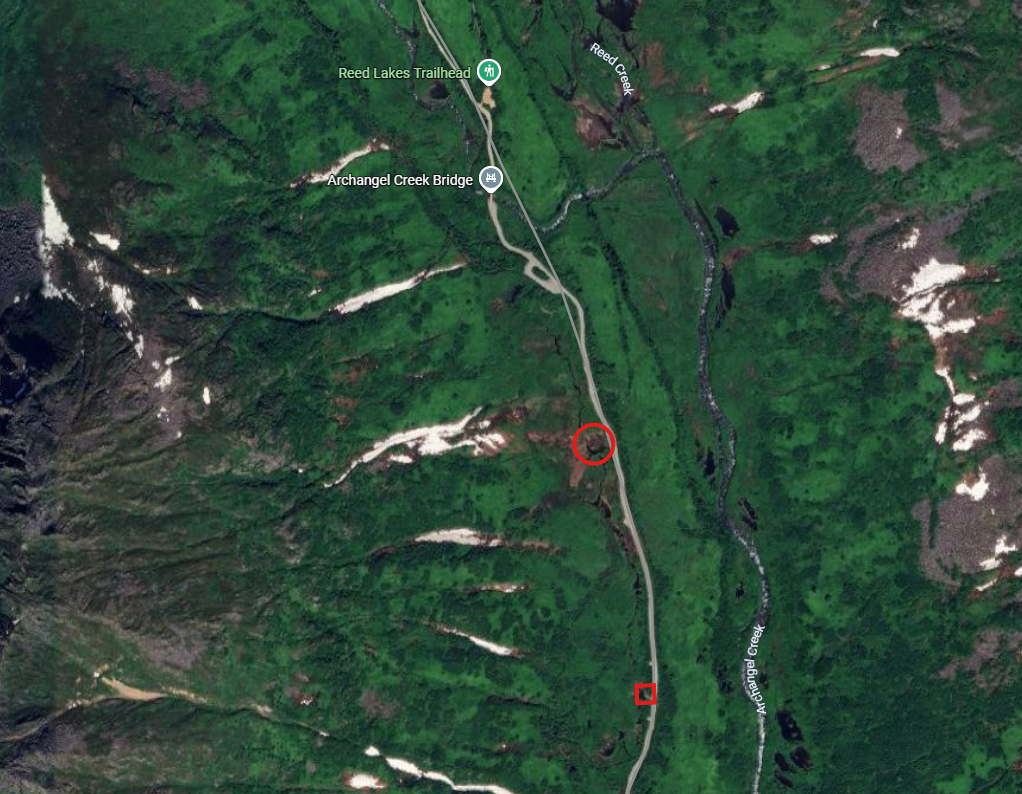
Over time, state crews attempted to keep beaver debris from blocking the culverts by placing rebar near and around them, a step that was typically unsuccessful, he said.
Last year's removals were not the first time state crews have taken such a step to protect Archangel Road, state fish and game biologist Ross Dorendorf said in an email. Agency records show similar work in 2000, he said.
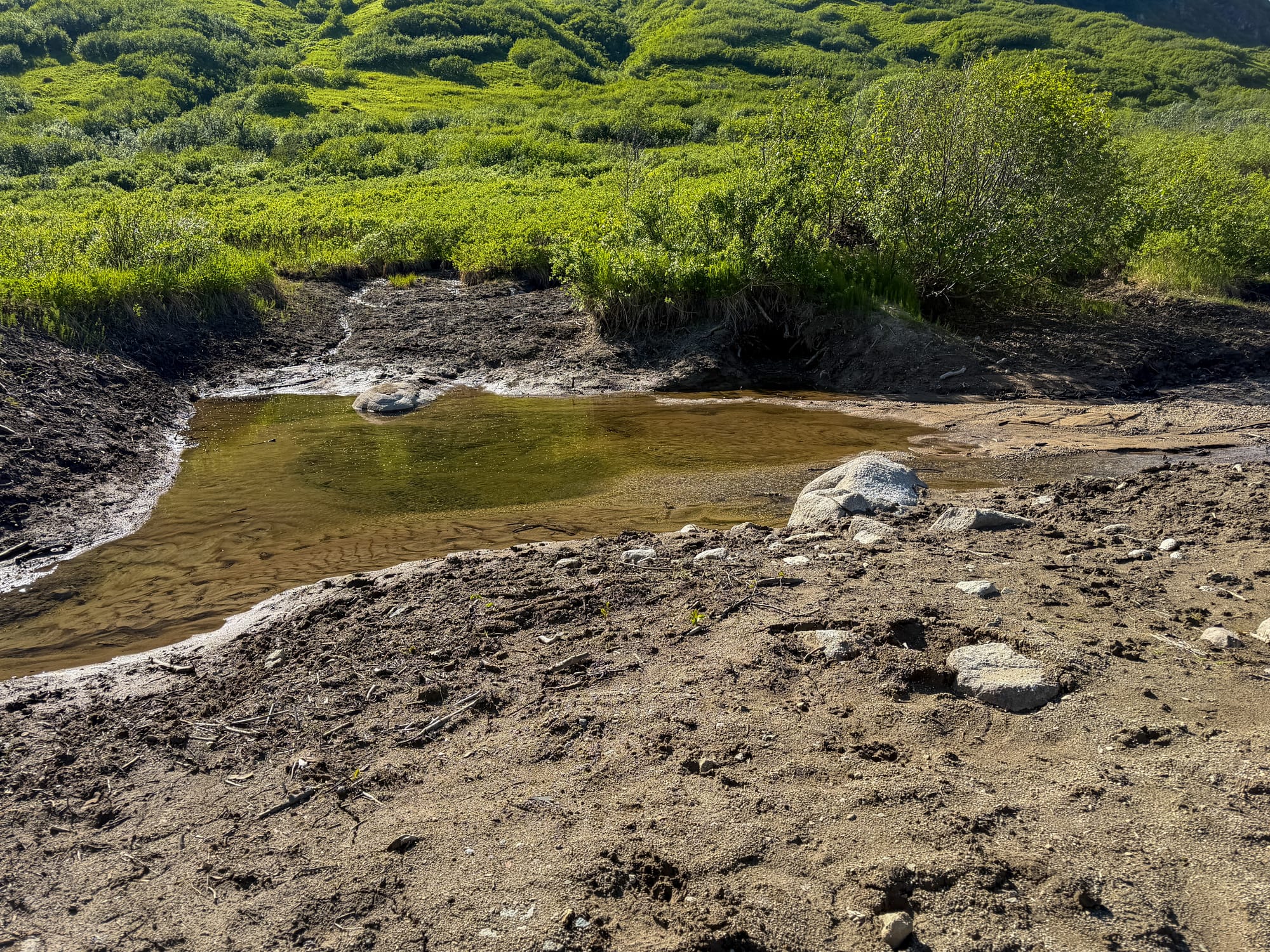
Beavers typically live 10 to 12 years and are common in Hatcher Pass, with ponds and lodges located along the Reed Lakes and Gold Mint trails, depending on the year. A pond about one-third of a mile up the deeply pitted road above the Reed Lakes trailhead appeared to have current beaver activity last month.
Beaver trapping is legal on state land within the Hatcher Pass area as long as traps are 50 yards off the area's most popular developed trails, including Reed Lakes and Archangel Road; elevated at least 3 feet above the ground; enclosed; or underwater or under ice, according to state regulations.
Dorendorf said beavers pose little to no risk to humans beyond the infrastructure damage caused by flooding from their dams. People should avoid drinking water near or downstream from beaver activity because it can carry Giardia, a parasite that causes intestinal illness when ingested.
Visitors hoping to spot beavers at work can look for clues, including freshly chewed sticks on dams, lodges and along the shoreline, Dorendorf said. Active beaver lodges typically do not have vegetation growing on top, he said.
-- Contact Amy Bushatz at contact@matsusentinel.com
This story was updated July 1 to clarify that trapping is permitted so long as traps are set more than 50 yards off certain trails in Hatcher Pass.