
Lawsuit alleges Palmer violated open meetings law in golf course talks
The complaint asks the court to void the city’s decision to end its contract with Eagle Golf Course Management.
What you need to know:
- A new lawsuit against the city of Palmer and the Palmer City Council alleges officials violated a state open meetings law early this year when they made decisions about the operation of the city's golf course.
- The suit was filed by Palmer resident Michael Borgford, who is representing himself. It seeks to overturn the city's decision to end its contract with Eagle Golf Course Management, require new public meetings on golf course operations, release executive session records, mandate open meetings training and policy updates, and require the city to pay litigation-related fees.
- The complaint argues the executive sessions exceeded the limited circumstances allowed under state law and undermined government transparency.
- Short on time but need the local news scoop? Get free weekly news in your inbox for Mat-Su, from Mat-Su.
Palmer — A new lawsuit against the city of Palmer and the Palmer City Council contends officials violated a state open meetings law early this year when they made decisions about the operation of the city’s golf course.
The suit was filed May 20 in Palmer Superior Court by Palmer resident Michael Borgford, a former seasonal employee of Eagle Golf Course Management Inc., which managed the city-owned facility for about two decades. Borgford is representing himself in the suit, he said in an interview Tuesday.
The city took over golf course operations this spring after officials and the facility’s longtime operator did not reach a new contract agreement by an early March deadline.
The complaint asks the court to void the city’s decision to end its contract with Eagle Golf Course Management; require the city and city council to hold public meetings to reconsider its golf course operations plans; release executive session records about the management decision; and require the city and city council to update their policies and hold training regarding open meetings laws. It also asks the court to order the city to pay for fees related to the suit.
City Attorney Anna Crary will file a response by June 23, she told the council during a regular meeting Tuesday. The council held a about 45-minute closed session to discuss the matter.
“We are evaluating a few possible courses of action, and we have some initial thoughts about strategy and about risk that I will advise the city on during tonight's executive session,” Crary said during the meeting. “We will continue to provide the city with updates once the response has been filed.”
The suit does not individually name council members or city employees.
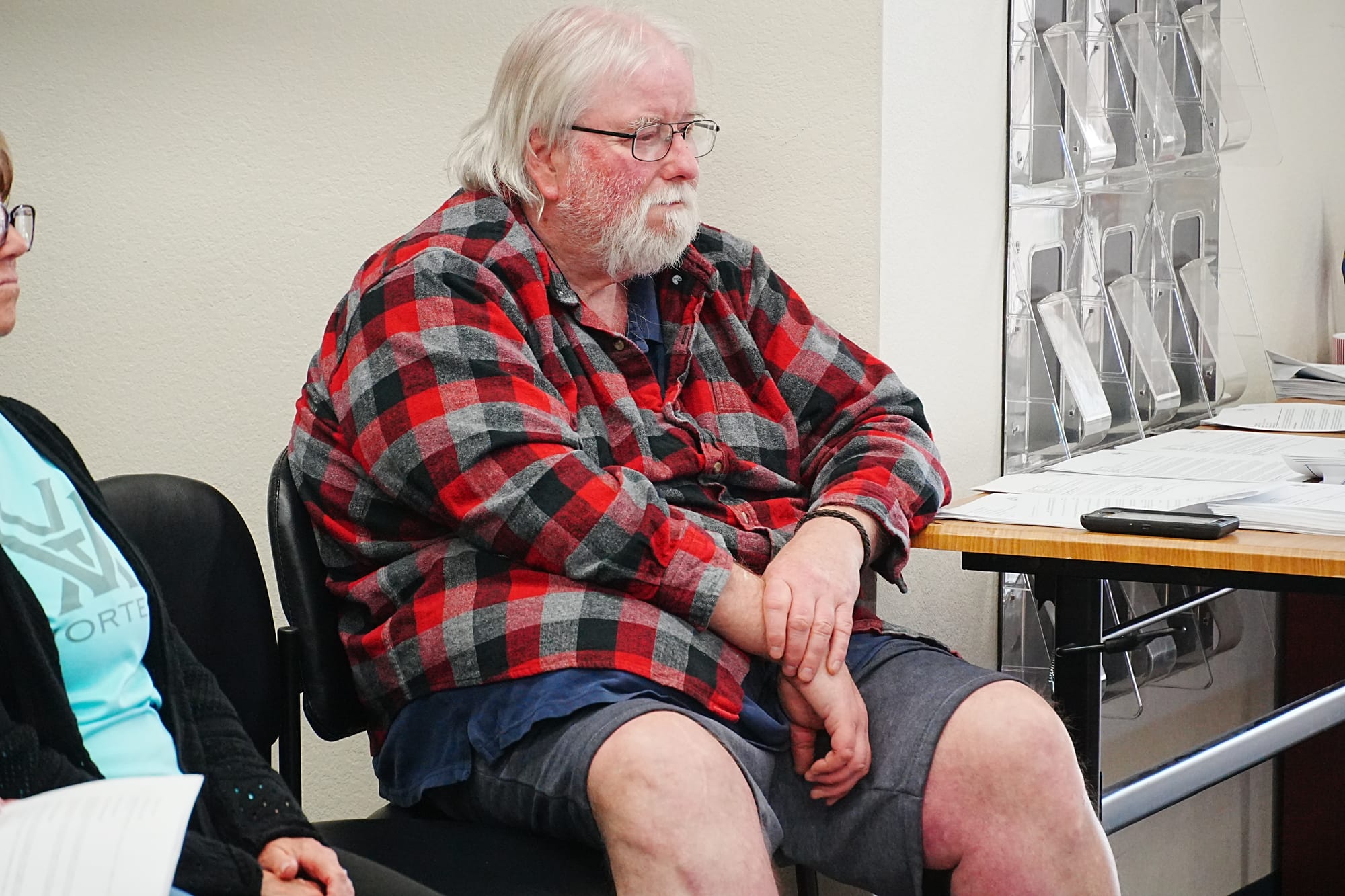
Borgford attended the meeting Tuesday and declined a request to comment about the lawsuit.
“This is an ongoing investigation by my team, and I cannot comment in any way,” he said.
Borgford declined to identify the individuals who are working with him on the suit.
Palmer Mayor Jim Cooper also declined to comment.
“I’ve read it but cannot comment on pending litigation,” he said.
The suit alleges that the city council improperly skirted the public process required by state law by using closed executive sessions early this year to make golf course-related decisions in private before bringing them to a public vote.
“The subsequent public votes functioned primarily as ratification of matters already substantively deliberated outside public view,” it states.
State law allows elected officials to hold closed sessions only for topics that would negatively impact finances if the discussion were to be held in public; topics that could hurt an individual’s reputation; matters required by law to be confidential; topics regarding confidential government records. No action may be taken during such sessions.
Discussion about the golf course contract did not fall under any of those parameters, the suit states. The information discussed in the closed session “impaired the public's ability to observe* understand, and participate in governmental decision-making,” and “undermine transparency, accountability, and public confidence in municipal governance,” it states.
-- Contact Amy Bushatz at contact@matsusentiel.com