
Mat-Su alcohol sales tax headed to November ballot
Some assembly members said the measure could help reduce property taxes, while business owners warn it would hurt sales.
What you need to know:
- Mat-Su voters will decide in November whether to approve a new 5% borough-wide alcohol sales tax. If approved, the tax would apply to alcohol sold at breweries, stores and restaurants and would be added to existing local sales taxes.
- Assembly member Ron Bernier said the policy could generate additional borough revenue and could help lower property tax bills next year, while alcohol sellers argued it would hurt restaurants, bars and other businesses already facing economic challenges.
- The Assembly unanimously rejected a separate proposal to raise the borough’s marijuana sales tax to as much as 10%. Cannabis business owners testified that the increase could drive customers to the illegal market and harm legal businesses.
- Short on time but need the local news scoop? Get free weekly news in your inbox for Mat-Su, from Mat-Su.
PALMER — Whether drinkers in Mat-Su should pay sales tax on alcohol will head to the ballot for a vote in November under a measure approved by the Matanuska-Susitna Borough Assembly this week.
If approved, it will add a new 5% sales tax on all alcohol sold at breweries, stores and restaurants across Mat-Su.
Revenue from the tax would go to the Matanuska-Susitna Borough. The tax would be in addition to sales taxes charged by Palmer, Wasilla, and Houston. For example, beer drinkers in Palmer would pay a 9% sales tax, while those in Wasilla would pay 7.5%.
A new borough alcohol tax could generate about $3 million in annual revenue, according to borough documents. Anchorage levies a similar tax.
Drinkers do not currently pay an alcohol tax to Mat-Su, but resellers pay state or federal alcohol excise taxes. Those costs are typically factored into menu prices.
The alcohol tax ballot proposal was approved 4-3 during a regular Assembly meeting Tuesday, with Assembly members Michael Bowles, Bill Gamble and Stephanie Nowers opposed. Bowles represents District 1, which includes Butte; Gamble represents District 6, which includes Big Lake; and Nowers represents District 2, which includes Palmer.
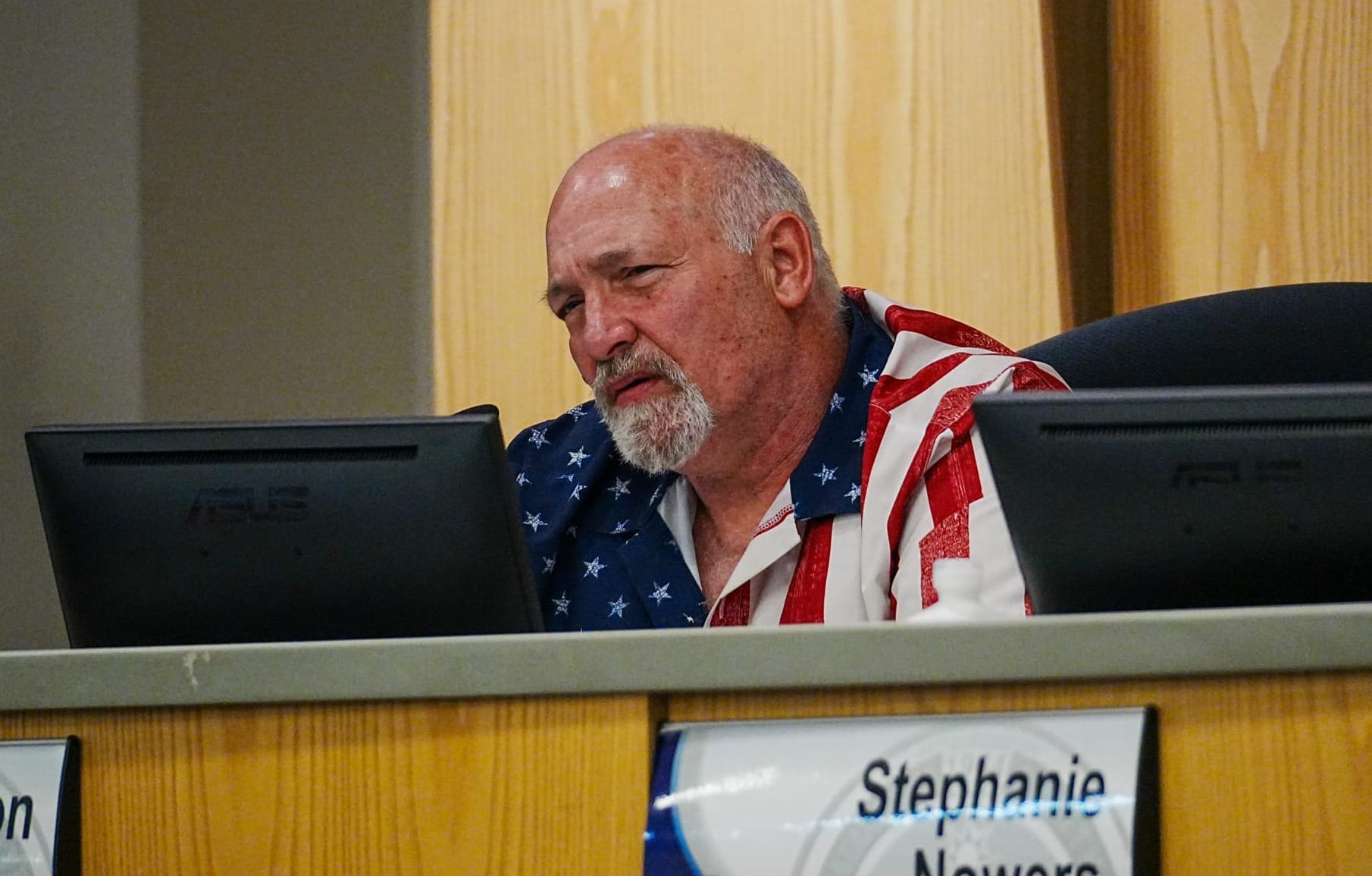
It was proposed by Assembly member Ron Bernier, who represents District 7, which includes Talkeetna.
Bernier said a borough funding boost from such a tax will allow the assembly to lower property tax bills next year.
The measure does not include a legal requirement to offset property taxes. State statute prohibits the assembly from dictating how future elected officials levy approved taxes.
Voters soundly rejected a similar alcohol tax ballot question in 2013 by a vote of 7,276 to 4,205.
A second tax proposal before the Assembly on Tuesday would have asked voters whether to increase the current marijuana sales tax to as much as 10%. It was rejected unanimously.
Bernier, who authored the measure, asked the Assembly to vote it down after hearing testimony from about 10 marijuana business owners who said such an increase would discourage people from purchasing legal cannabis and drive them to illegal sales that can include unsafe additives or growing practices. They said an increase in the borough's cannabis tax, paired with the state's flat tax rate structure, could also severely hurt their businesses.
Assembly members said encouraging safe and regulated marijuana use is important for public safety.
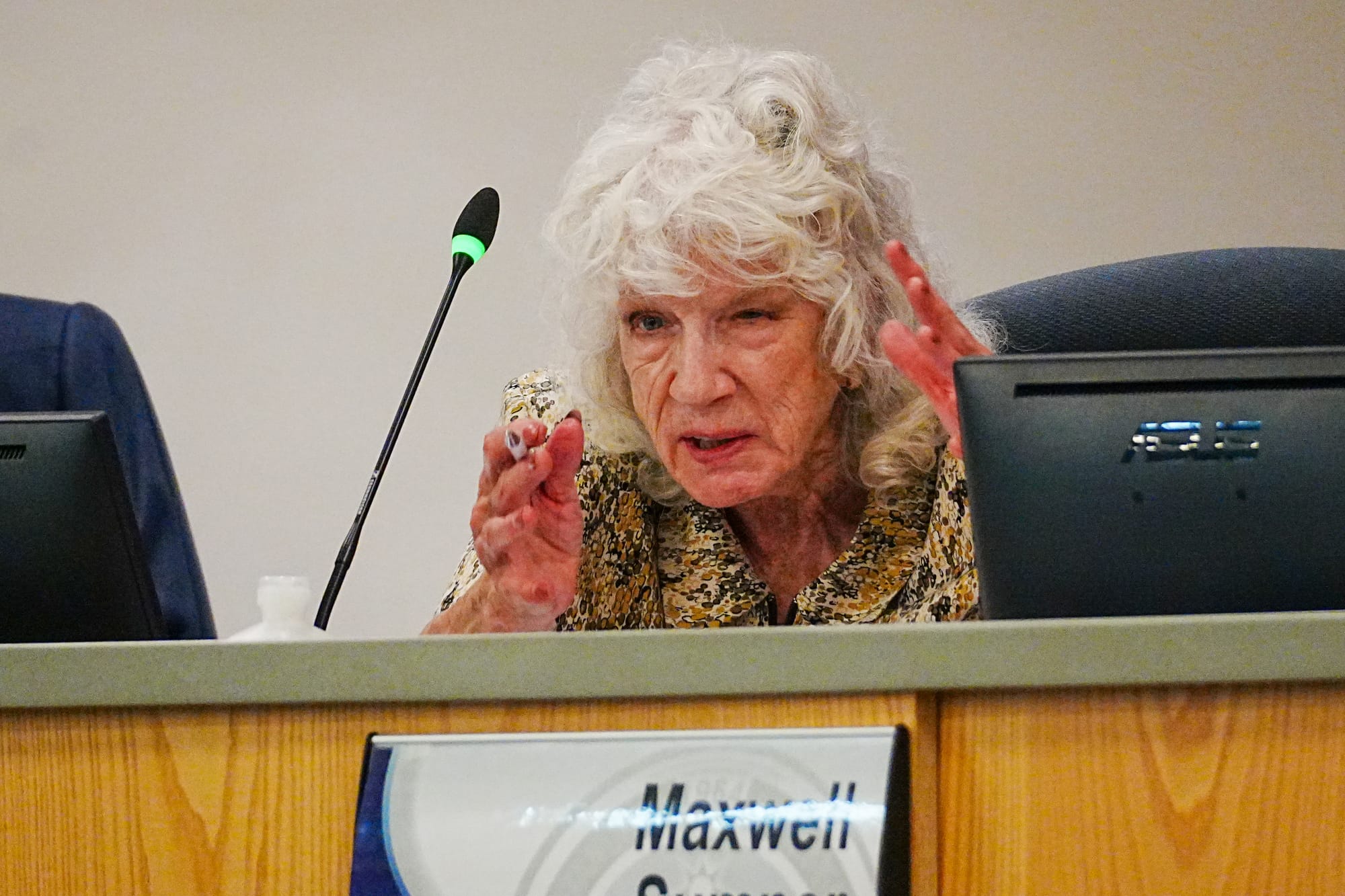
Assembly member Dee McKee said she has personal experience with the issue.
“I used to smoke weed,” McKee said. “I haven’t since this incident. Somebody laced it with PCP. I cannot tell you how terrifying it is to lose your mind. And if we allow people who are not regulated, all the stuff that you put in weed, it's so deadly and so dangerous.”
PCP, or phencyclidine, is an illegal hallucinogen.
Alcohol sellers told the Assembly that a tax on their industry would also have a deeply negative impact on their ability to remain in business.
“There’s been a lot of restaurants and bars that kind of closed down in the last couple of years,” said Wes Artz, owner of the Palmer Bar. “A lot of bars and restaurants have gone out of business in the last two years. You're going to kill the economy by doing it.”
An initial version of the alcohol sales tax ballot measure called for a sales tax of up to 10%. State law requires any alcohol tax to be at or below other sales tax rates in the region, and the assembly adjusted the proposal to 5% to match the current cannabis tax rate.
The alcohol tax question is the first borough ballot measure approved to go before voters in November. A series of three other tax measures is set for debate and a vote at an assembly meeting scheduled for June 16.
Other measures on the ballot include a 1.5% sales tax on most goods and services, paired with a boroughwide $75,000 tax exemption for all owner-occupied residential properties; a 6.5% sales tax on most goods and services, paired with a repeal of about 60% of average borough property taxes; and a 25-cent-per-ton gravel tax levied against large operators that extract more than 150,000 tons per year.
The election is scheduled for Nov. 3.
-- Contact Amy Bushatz at contact@matsusentinel.com