
Two major projects could reshape mental health care for Mat-Su youth
The new facilities will offer in-patient mental health care and transitonal beds for youth.
What you need to know:
- Mat-Su is expanding its behavioral health system with two major facilities opening in the next two years. Mat-Su Regional Hospital is building a 45-bed inpatient psychiatric hospital in Palmer, while My House is opening a new $23 million center in Wasilla that will expand housing, treatment and support services for youth and young adults.
- The projects are designed to fill gaps in the continuum of care. The new hospital will nearly triple inpatient psychiatric capacity, including 18 beds for adolescents, while My House's Redemption program will provide residential treatment for people ages 14 to 25 transitioning from inpatient hospitalization to community-based care.
- Providers say the expansion could keep more young people in Mat-Su for treatment. Limited local capacity has forced many patients to seek care in Anchorage or out of state. Mental health leaders say the new facilities will improve access to treatment, housing and outpatient services closer to home.
- Short on time but need the local news scoop? Get free weekly news in your inbox for Mat-Su, from Mat-Su.
WASILLA — A pair of new mental health facilities coming to Mat-Su in the next two years could have a dramatic impact on youth mental health support, giving clinicians a way to help more people in need of services while avoiding sending them to Anchorage or out of state for treatment.
In Palmer, a new freestanding inpatient mental health hospital is slated to open in 2028. The 50,000-square-foot facility, operated by Mat-Su Regional Hospital, will sit behind the hospital and increase the system's inpatient treatment capacity from 16 beds to 45.
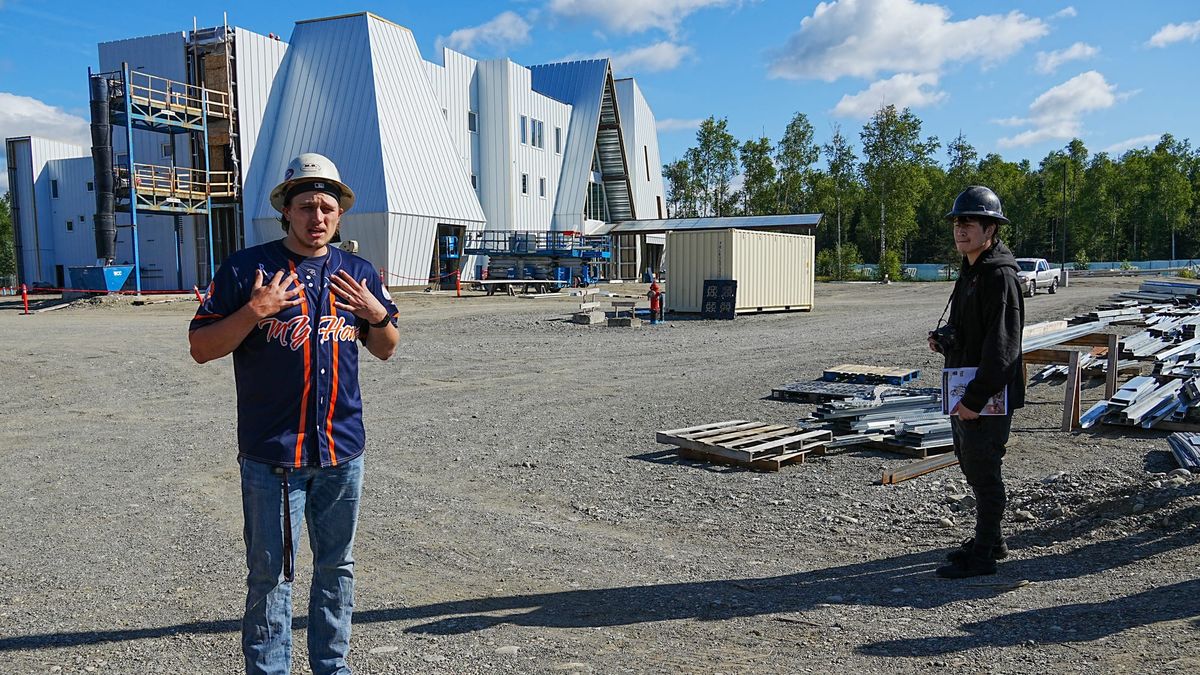
Across town, a new $23 million My House facility near the Wasilla Police Department, slated to open in December, will include a wide array of services and assistance for homeless and struggling youth served by the nonprofit. That includes residential beds for people ages 14 to 25 who need a stepping stone between inpatient hospital care and outpatient treatment while living at home.
Right now, no such program exists in Mat-Su, mental health experts said this week.
"All of these programs are really important," said Joshua Arvidson, chief operating officer at Alaska Behavioral Health, a nonprofit outpatient mental health provider with clinics across the state. "You need a full continuum of care, and that goes from inpatient, partial programs like My House that have housing and supports, and then a robust outpatient system," he said. "If you have all those, what we see is you get to keep kids in their home communities. Otherwise, it creates a whole cascade of problems."
Inpatient beds in Palmer
During 2024 and 2025, Mat-Su Regional received 2,427 behavioral health referrals but was able to admit only 832 patients because of limited bed space, hospital officials said.
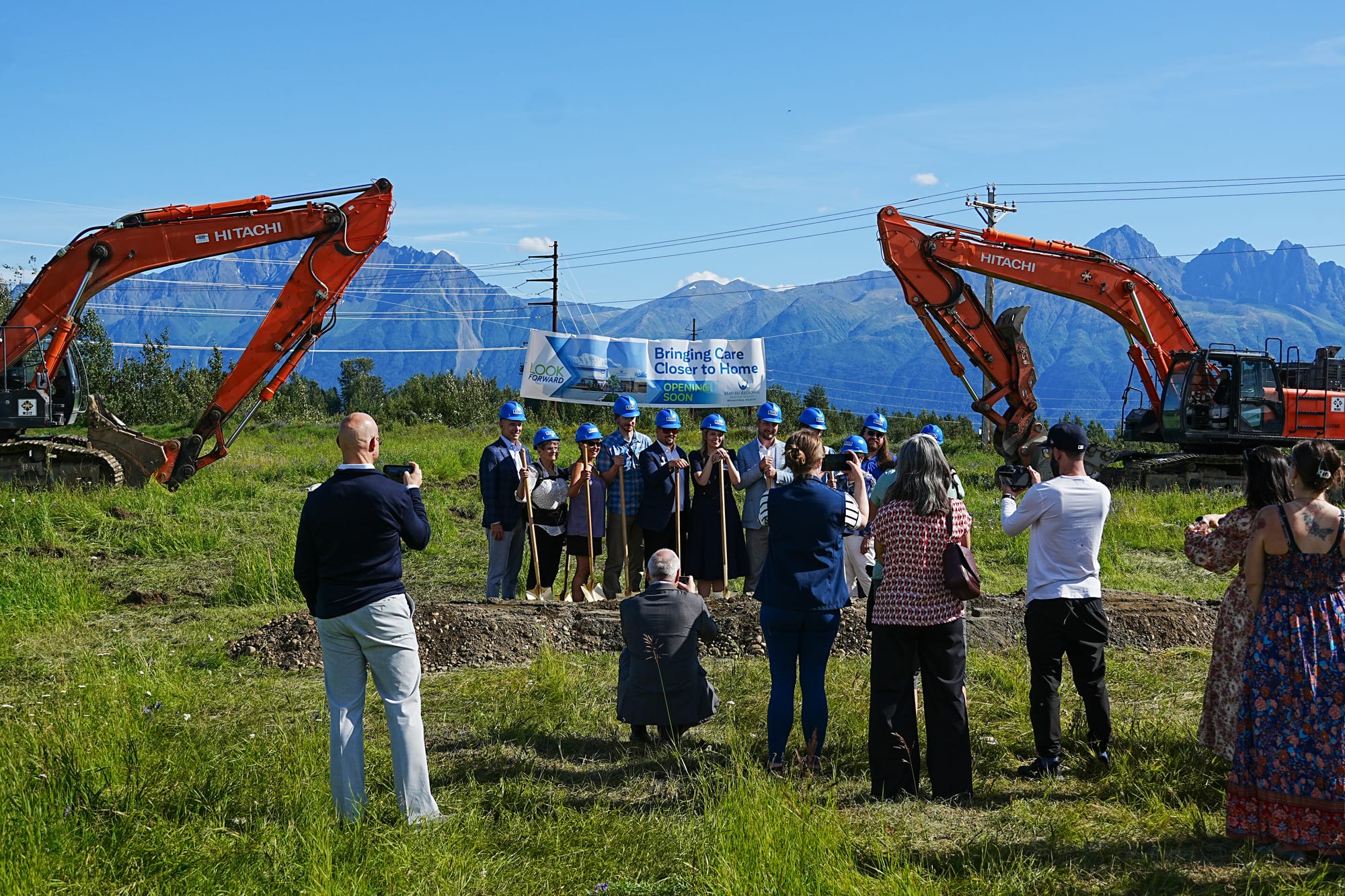
The new facility, now under construction, will help solve that problem, officials said at a Thursday ceremonial groundbreaking. The project is funded by the hospital and the Mat-Su Health Foundation.
"When we're able to provide the right care at the right time, the opportunity for healing and positive outcomes is achievable," Hope Allison, Mat-Su Regional's executive director of mental health, said during the groundbreaking ceremony. "This is the hope for every patient that we serve, that we can provide them the care they need when they need it. As a result, they can start the healing process."
Eighteen of the 45 beds at the new mental health hospital will be designated for youth patients ages 13 to 18, officials said. Younger children, who require specialized interventions, will still need to be treated outside the area.
"With this new building and additional beds, we have the ability to bring those adolescents over, and it really opens up possibilities," said Taylor Rudd, Mat-Su Regional's chief executive officer.
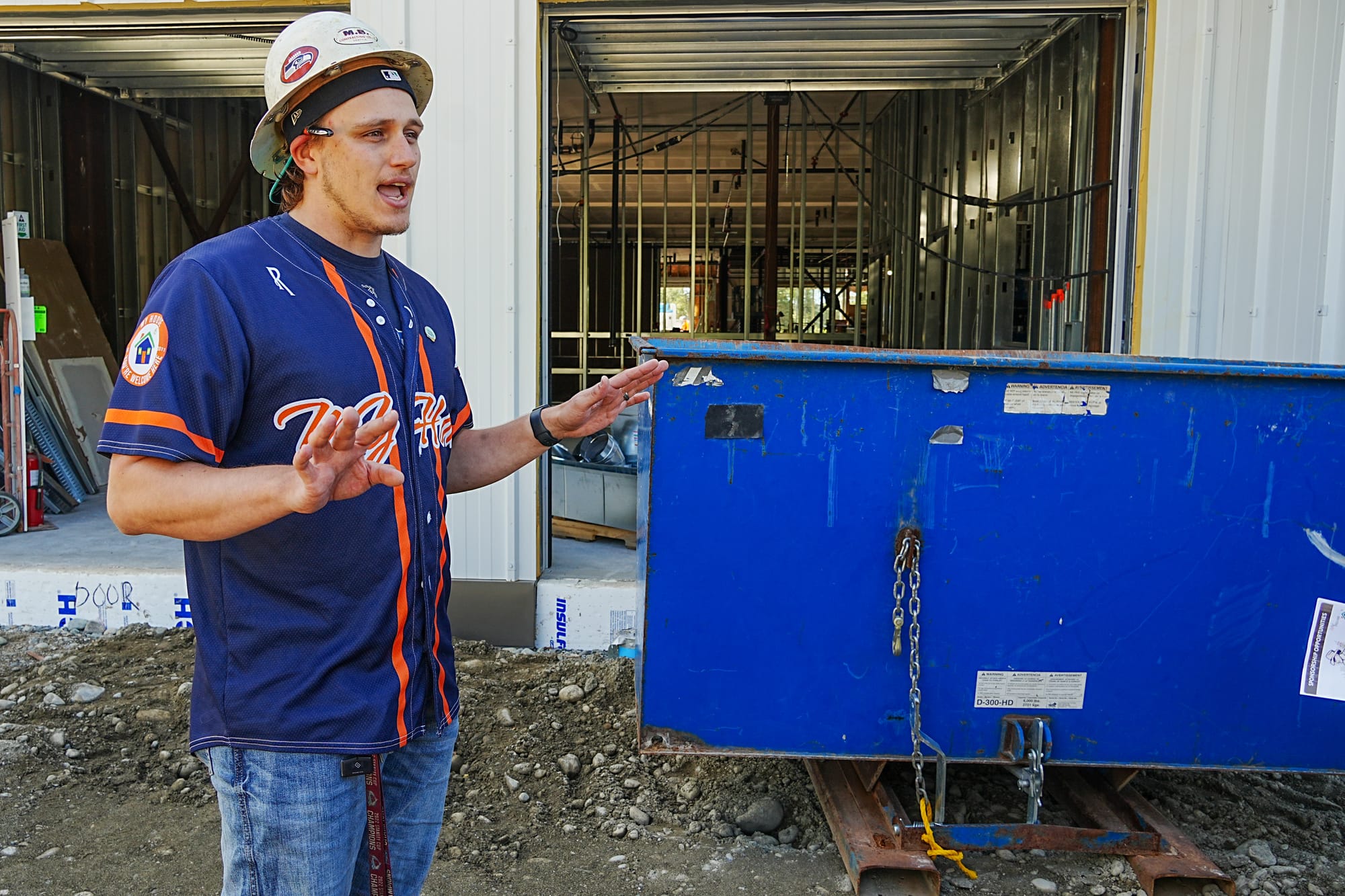
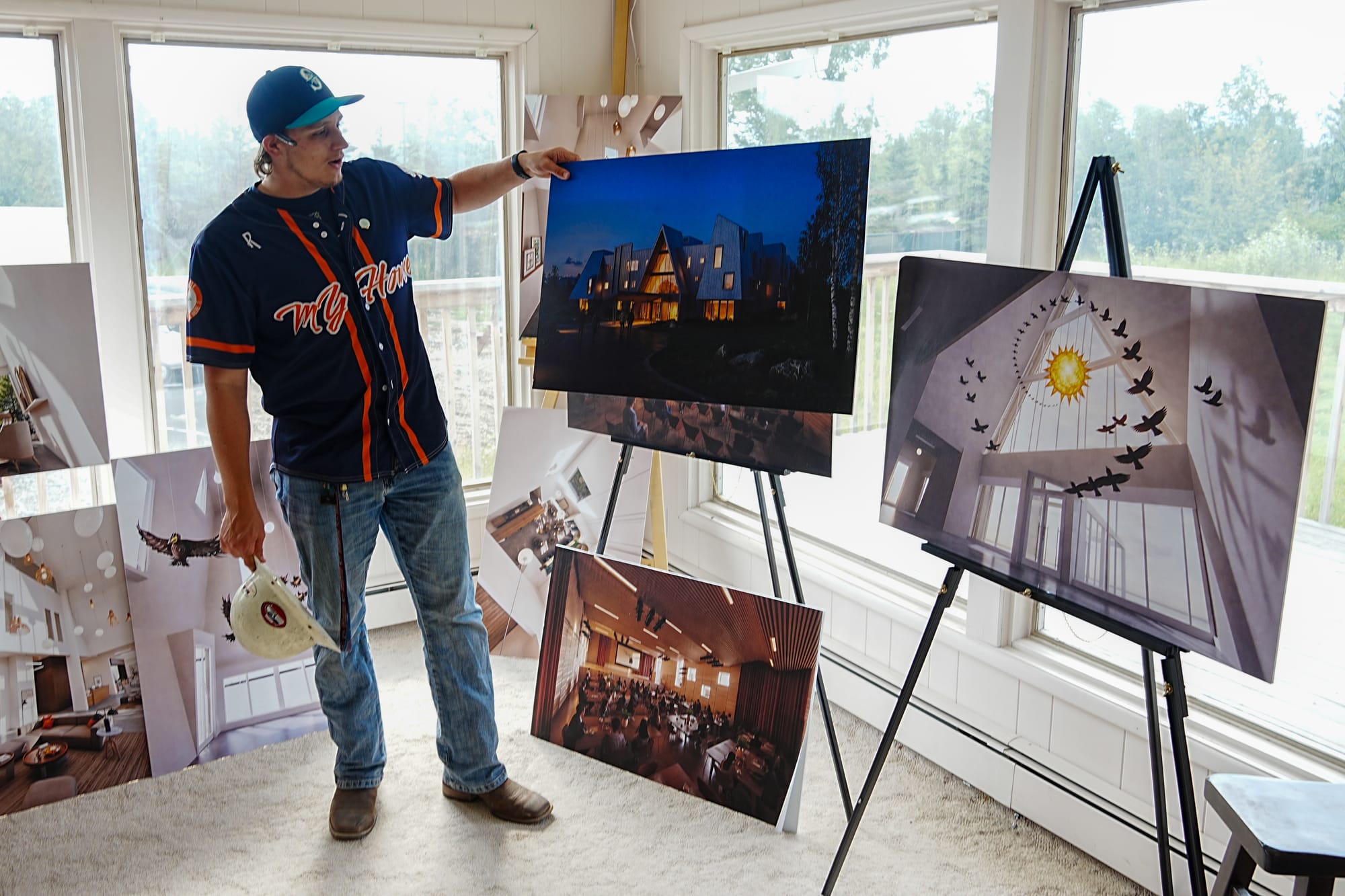
(Left) My House Communications Director Isaac Smoldon leads a tour at the new Carson-Cottle Center in Wasilla on July 29, 2026. (Amy Bushatz/Mat-Su Sentinel) (Right) My House Communications Director Isaac Smoldon shows renderings of the finished Carson-Cottle Center in Wasilla on July 29, 2026. (Amy Bushatz/Mat-Su Sentinel)
Boosting youth support in Wasilla
At My House in Wasilla, the Redemption treatment program is just one of a wide array of new and expanded efforts scheduled for the new building, known as the Carson-Cottle Center, officials said.
About a dozen state officials from the Division of Juvenile Justice and Alaska Behavioral Health attended a construction tour Wednesday, walking through the new building and hearing about what will be housed there.
"For kids that can't go back home or aren't appropriate for more restrictive programs, this is a nice alternative where they can get back into the community, get into outpatient services and still have some freedom," said Kira Bishop, a deputy director for the state's Division of Juvenile Justice. "It opens up a continuum of care that's underserved."
My House was founded in 2009 to provide services to homeless youth in Mat-Su. Today, its programs, including about 50 beds through its free or low-cost transitional housing service, are spread throughout the community. Its work program cafe, thrift shop, administrative office and some other services are squeezed into its small office on Willow Drive near Wasilla City Hall.
Once it's finished, some of those programs will move to the new facility. The housing program will continue to use beds throughout the community while leveraging the new building for additional space.
The new building was designed by the My House youth board, which includes people who were once My House clients. Its prow front and soaring ceilings are meant to invoke a sense of place, openness and calm, while the rest of the building is designed to fit as many rooms and individual spaces as possible. It was originally planned to be 45,000 square feet but was reduced to 33,000 because of cost increases, said Isaac Smoldon, a My House spokesperson who led Wednesday's tour. Tariffs triggered a major increase in steel prices last year.
The new facility will increase available beds to about 110, with housing and roommate configurations adjusted based on who is using the space. Young single mothers in need of temporary housing, for example, can bring their children into a private suite of rooms where they can live while using the system's other support programs, such as job training and substance use treatment, Smoldon said.
The building also has space for a cosmetology school, an auditorium, office space that can be rented by community members, and a large cafe open to the public.
Clients can also get help studying for the GED or finishing their high school diploma through the Nenana City School correspondence program, CyberLynx, officials said. My House does not use the Matanuska-Susitna Borough School District correspondence program because its graduation requirement of 23.5 credits — the highest in the state — is too difficult for many clients, officials said. Nenana follows the state minimum of 21 credits.
My House funds its programs through government and private grants, donations, insurance billing and sliding-scale program fees. Its new building was paid for with federal funding.
While most of the program's 300 annual clients — up to 60% — are from Mat-Su, My House also serves people from outside the region, including Anchorage and rural villages, Smoldon said. The organization does not turn anyone away. An estimated 230 youth are unhoused in Mat-Su at any given time, he said.
"We're a treatment program — we're also a housing organization. But even for folks that don't need the housing piece, they just need a little peer support or a little extra help getting a driver's license, some help finishing high school — we can do that," Smoldon said. "We're going to want as many people in that building as we possibly can. Because it's tough when you're not in housing every day to maintain contact."
-- Contact Amy Bushatz at contact@matsusentinel.com
This story was updated Aug. 3 to correct the spelling of Isaac Smoldon's name and clarify which My House programs will be relocated to the new facility.